01 / 12
Heat pump repair
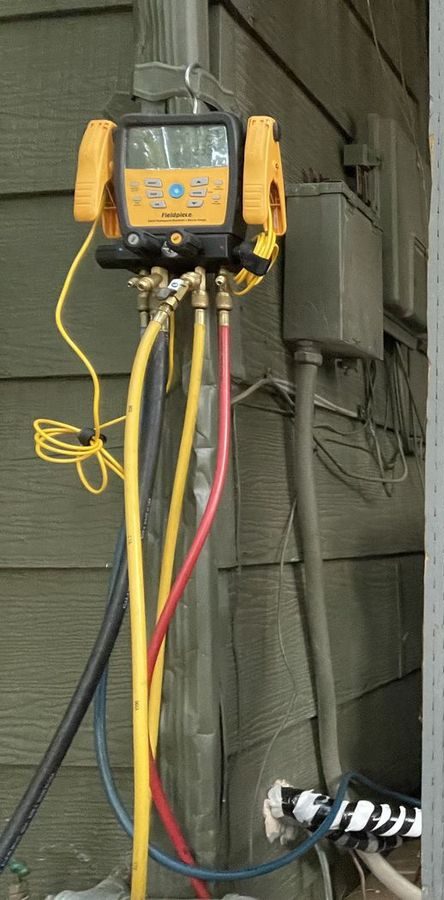
Digital gauges hang by the outdoor unit while the heat pump runs. Superheat and subcooling show whether the charge, a valve or the defrost board is the problem.
Read the service page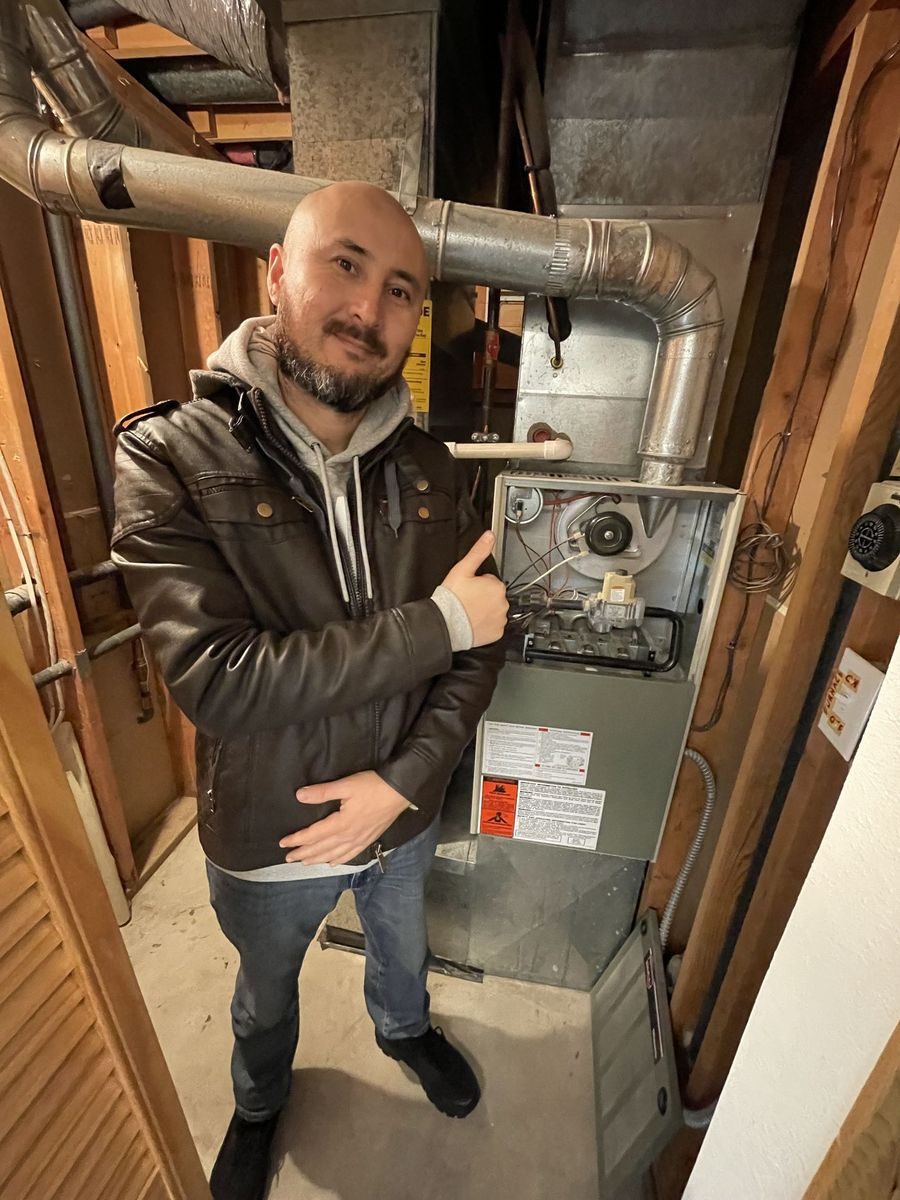
Benton City, 99320, off Interstate 82
From manufactured homes with furnaces tucked into hall closets to houses on wells along Highway 224 toward Red Mountain, Benton City equipment works hard in a windy, dusty high-desert town. Our technicians repair heat pumps, furnaces, central air, mini-splits and household appliances here.
Short answer
Larch HVAC & Appliance repairs heating, cooling and household appliances in Benton City and the 99320 area, including manufactured homes and properties on private wells. That covers heat pumps, gas and electric furnaces, central air, mini-splits, refrigerators, washers, dryers, dishwashers and ranges. Reserve a date and an arrival slot online, or phone any day between 8 AM and 7 PM; a confirmation call from the office follows.
Housing type and water source shape most Benton City service calls, more than the brand on the label. A good portion of the homes in town are manufactured, and their furnaces and air handlers sit in snug closets with ducts and dryer vents routed differently from a site-built house. Many properties draw from private wells, so sediment and minerals reach appliance valves and screens sooner than they would on treated city water.
Weather does the rest. Summers bring 100°F afternoons in most years, the windiest months are March, April and June, and the prevailing west wind lifts dust and tumbleweeds off open ground and farm roads around the Red Mountain wine area. In winter, cold air settles into the Columbia Basin beneath a warmer layer, and freezing fog can sit over town for days while highs stall in the 30s.
We plan Benton City visits around those conditions. Technicians arrive with capacitors, contactors, igniters, flame sensors, fan motors, valves and thermal fuses already on the truck, and they look at the closet, the ductwork at the equipment and the water supply before naming a cause. Your technician writes up the repair price and waits for your go-ahead before touching a part, and families with an early school run can ask for an early arrival slot.
Restricted airflow is the usual reason. In many manufactured homes the furnace or air handler is a downflow model squeezed into a hallway closet, and return air comes through louvers in the closet door or a grille beside it. When the filter clogs with local dust, or stored boxes cover those louvers, static pressure climbs, the heat exchanger overheats and the high-limit switch begins shutting the burners off mid-cycle. Electric furnaces, and air handlers paired with a heat pump, react the same way, tripping heat-strip limits and wearing out the indoor fan motor. Our technicians measure static pressure and temperature split, check the crossover duct under double-wide homes for sags or tears, and on gas units read the flame sensor in microamps and test the inducer and pressure switch.
Summer and winter each add their own load. Long July run times weaken run capacitors, so we compare the microfarad reading with the label and inspect the contactor for pitting before the outdoor fan or compressor quits on a 100°F afternoon. Wind-blown dust packs condenser coils and drives head pressure up, and we check superheat and subcooling before anyone talks about refrigerant. In inversion season a heat pump's outdoor coil frosts quickly in freezing fog and runs frequent defrost cycles; that is normal, but a coil that stays iced points to the defrost board, a coil sensor or the reversing valve. Refrigerant work falls under our EPA 608 Universal credential and our 06A HVAC/Refrigeration specialty.
Well water shortens the life of anything with a fill valve or a fine mesh screen. Sediment collects in washer inlet-valve screens and slows the fill, mineral scale crusts dishwasher spray arms and heating elements, and refrigerator water valves and ice maker fill tubes begin to drip or stick. When the washer's fill drags on, or the ice maker drops undersized, hollow cubes, we look at the screen and measure the valve coil's resistance before replacing anything, then show you what we found.
Dryers are the other Benton City pattern. Manufactured homes often send the dryer vent through the floor or along a short, cramped path, and a crushed or lint-packed run traps heat inside the drum housing. The high-limit thermostat begins switching the burner or element off and on, until one day the thermal fuse gives up entirely. We repair the dryer, check airflow at the vent connection and tell you clearly when the vent path is the real problem. Refrigerators, freezers, washers, dryers, dishwashers, ranges and ovens are covered by our 07D Appliance Repair specialty, and every repair carries written warranty terms on the invoice.
Hall-closet furnaces and air handlers leave little room to work, so technicians bring compact tools and good light. Typical finds include a filter rack caked with dust, closet-door louvers hidden behind storage, a sagging crossover duct starving one end of the home, and a tired fan motor. We test at the equipment before suggesting any part.
Homes along the road toward the vineyards sit on open, exposed ground. Spring gusts push dust, sand and tumbleweeds into outdoor coils and flatten heat pump fins against the cabinet. Our technicians wash the coil, straighten folded fins with a fin comb, check fan blades and motor bearings, and confirm head pressure is back within the manufacturer's range.
Houses closer to the center of town feel the same summer heat, with west-facing walls and attic ducts running hot by late afternoon. Cooling calls here often trace back to a swollen run capacitor, or contactor points scorched black from thousands of starts. Both parts ride on the truck, and the price is approved in writing before either goes in.
Fine sand and hard minerals reach the inlet valves on washers, dishwashers and refrigerators sooner on well water. Slow fills, grit left in the dishwasher tub, or an ice maker that stops producing are the usual clues. We clean or replace screens and valves and suggest how often to check them on your particular water.
Houses closest to the interstate sit where the west wind rarely lets up in spring. Sand, tumbleweed bits and cottonwood fluff mat against condenser coils, and a matted coil raises head pressure and run time. A coil cleaning plus a capacitor and contactor check in April or May is worth doing before June heat arrives.
One photo per tab from our service calls. Tap a tab, or let the file turn on its own.
01 / 12
Digital gauges hang by the outdoor unit while the heat pump runs. Superheat and subcooling show whether the charge, a valve or the defrost board is the problem.
Read the service page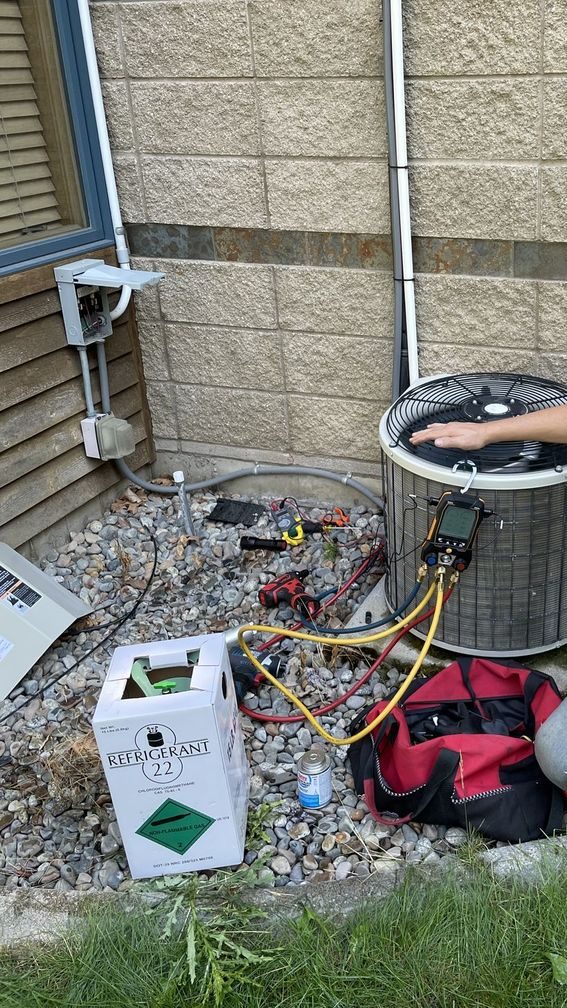
02 / 12
An older condenser under test with hoses on the service ports. The capacitor, contactor and fan motor get checked before anyone talks about refrigerant.
Read the service page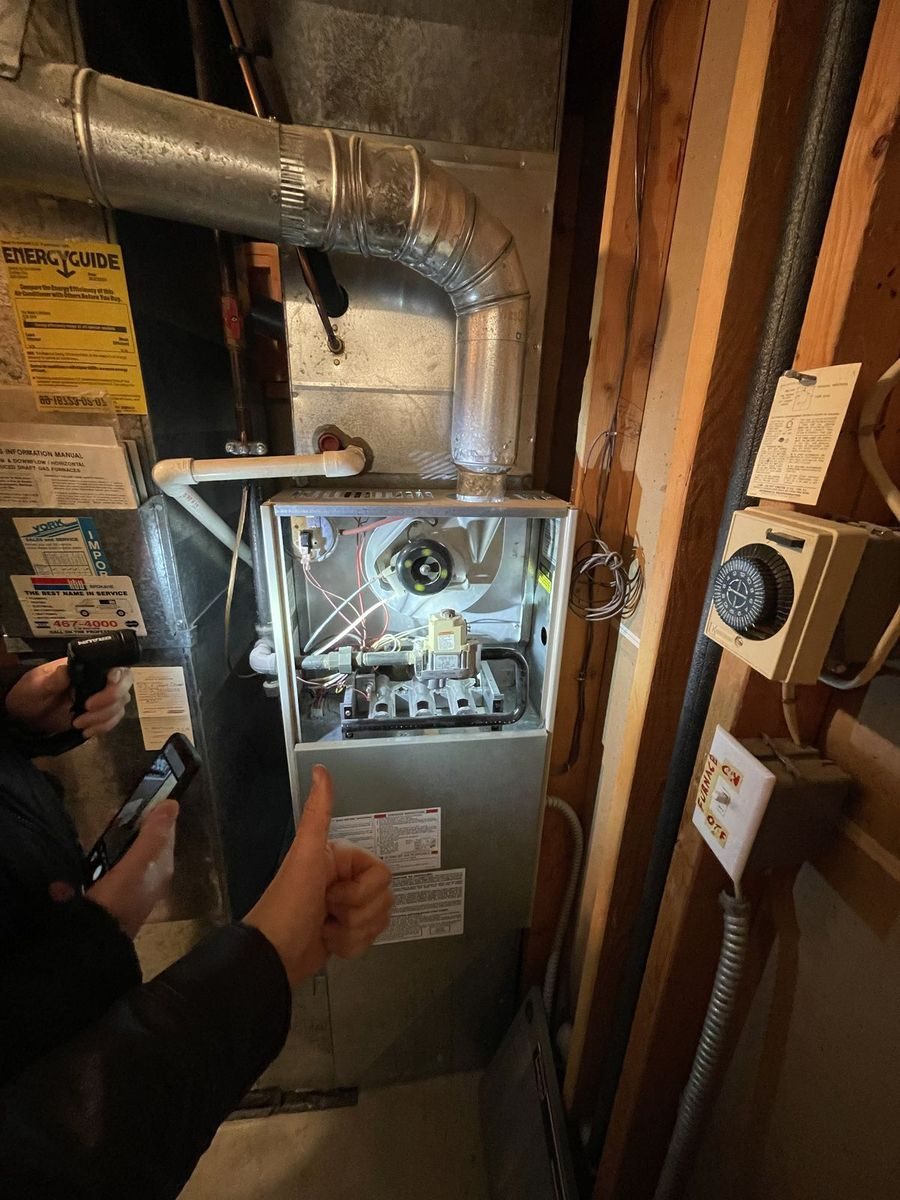
03 / 12
The burner compartment of a gas furnace, open. We follow the start-up order, inducer, pressure switch, igniter, flame sensor, until the step that fails.
Read the service page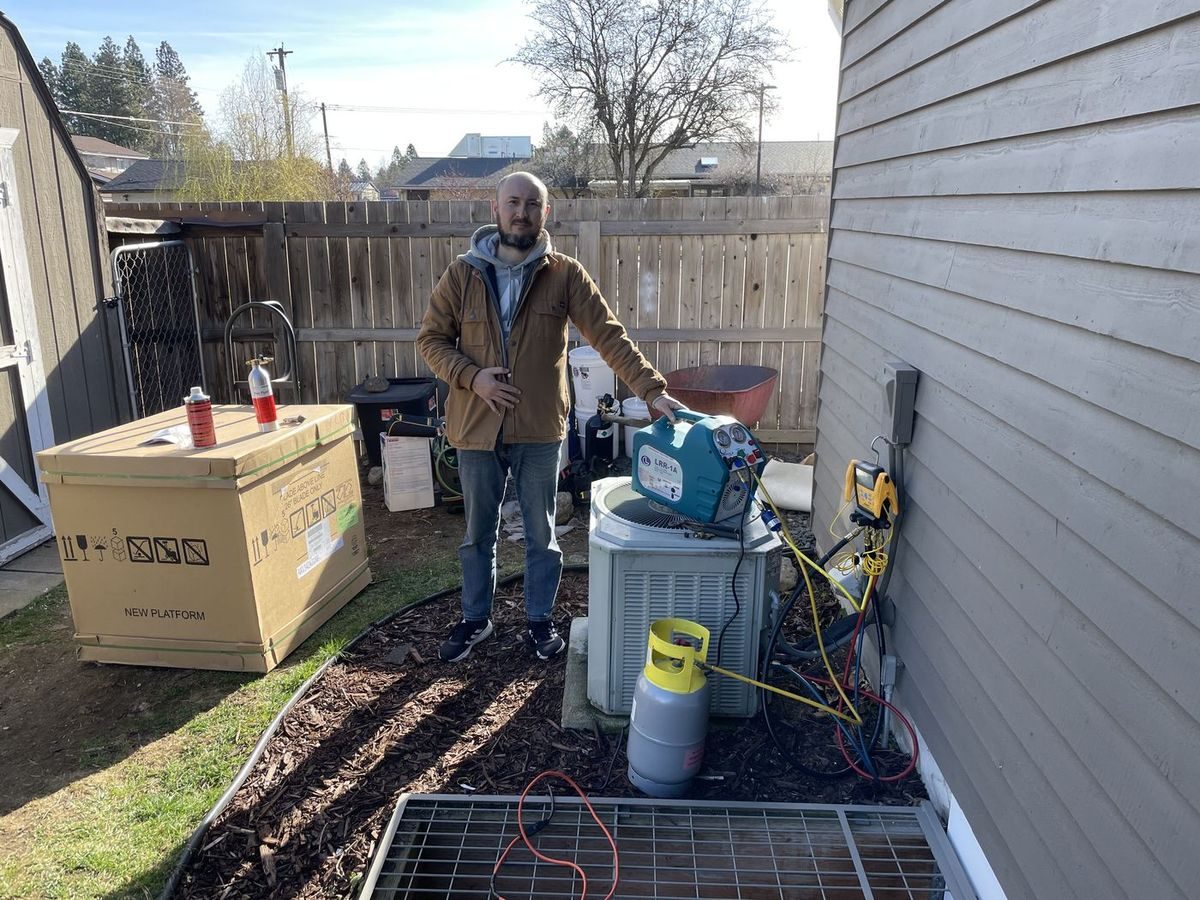
04 / 12
A recovery machine and cylinder beside an outdoor unit. On a replacement, the old refrigerant is pulled into the cylinder instead of the air.
Read the service page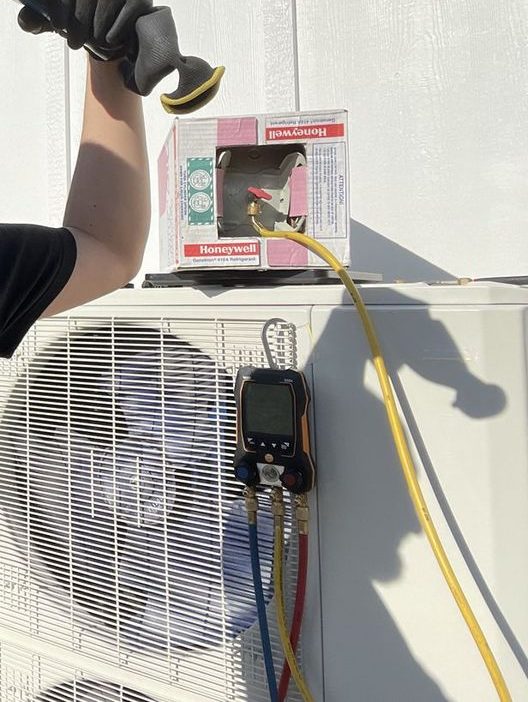
05 / 12
A ductless outdoor unit with a gauge set on it. Mini-splits get the same pressure and temperature readings as a central system, plus a look at the line-set insulation.
Read the service page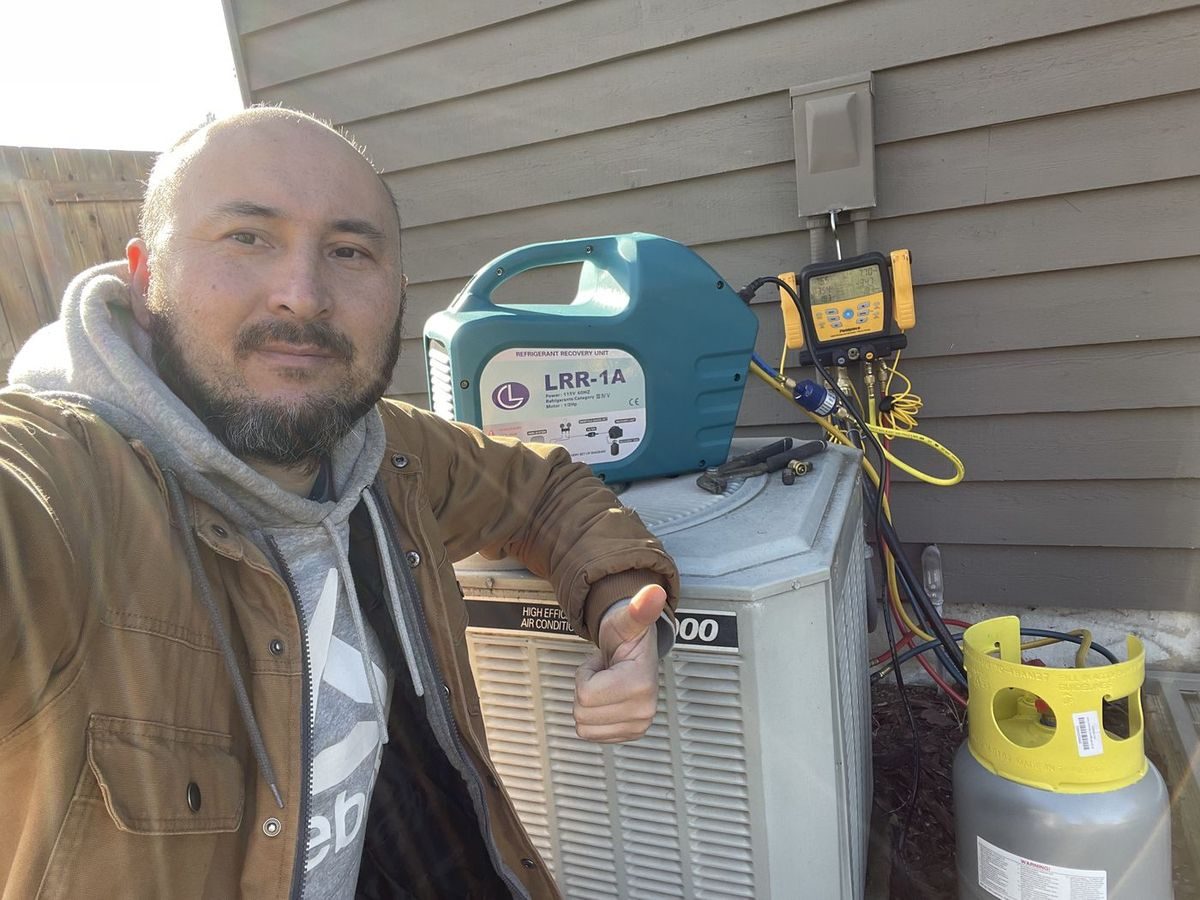
06 / 12
Gauges on a condenser during a seasonal visit. Spring visits wash the dust out of the coil; fall visits test defrost and heat strips before the fog weeks.
Read the service page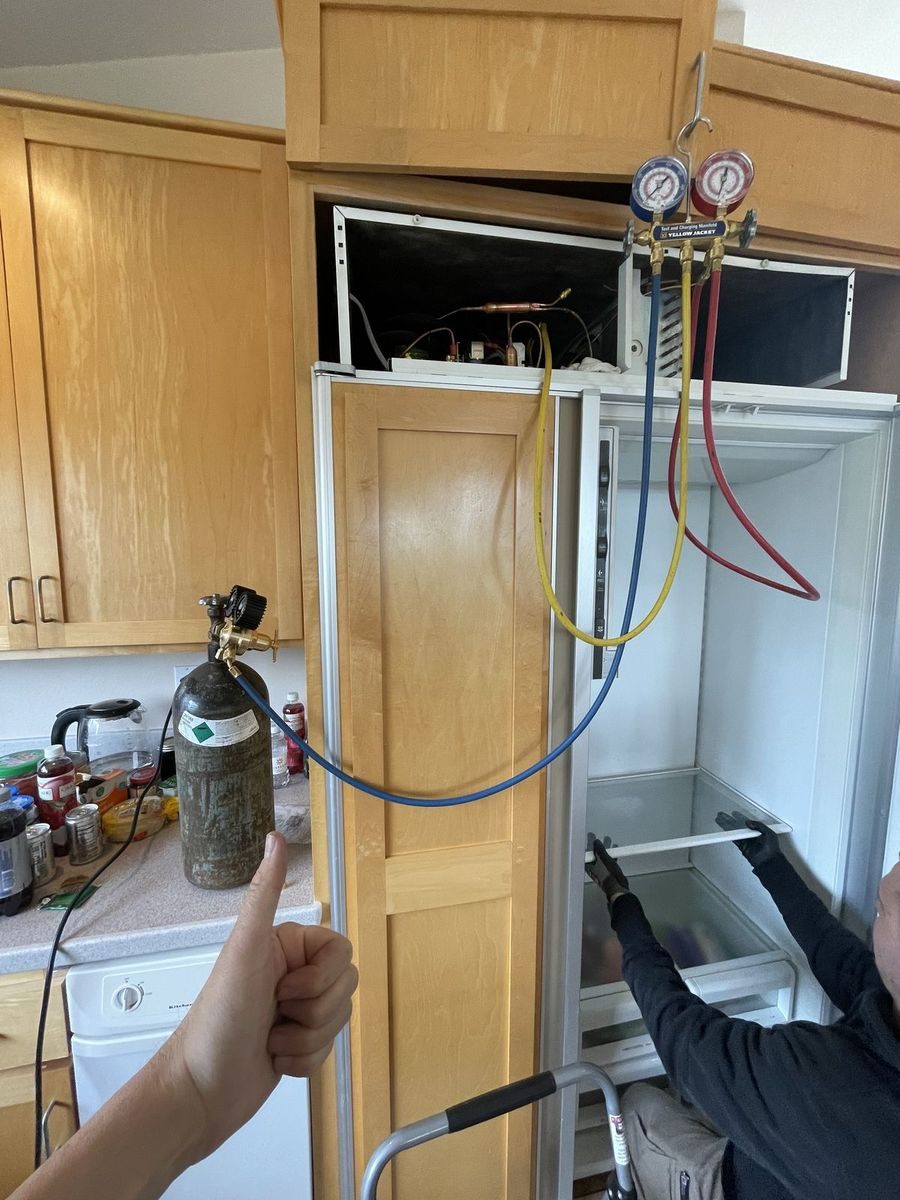
07 / 12
Gauges connected to a built-in refrigerator's sealed system. Leak searches, brazing and recharges happen in the kitchen, so the fridge stays where it is.
Read the service page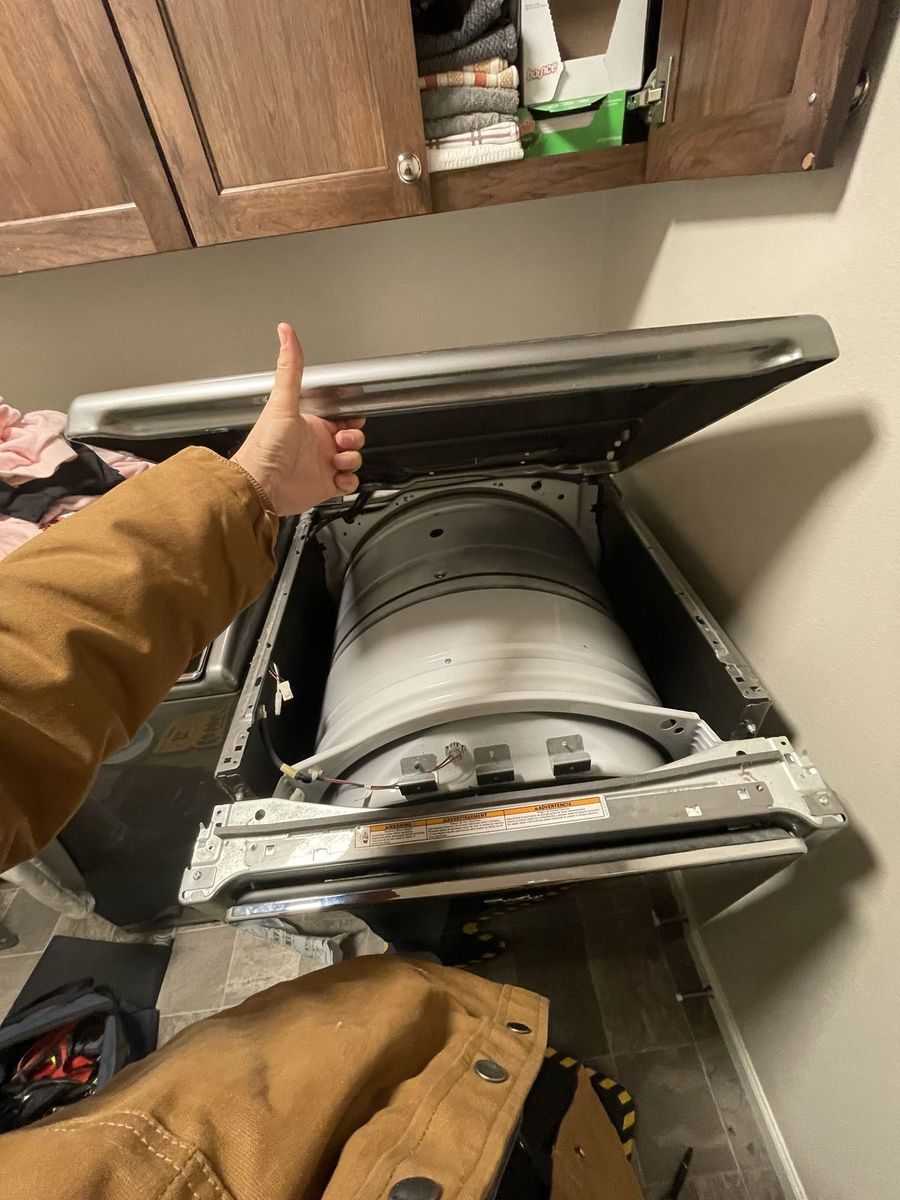
08 / 12
A top-load washer with the top panel raised. Lid switch, drive coupler and drain pump are all within reach once the top comes up.
Read the service page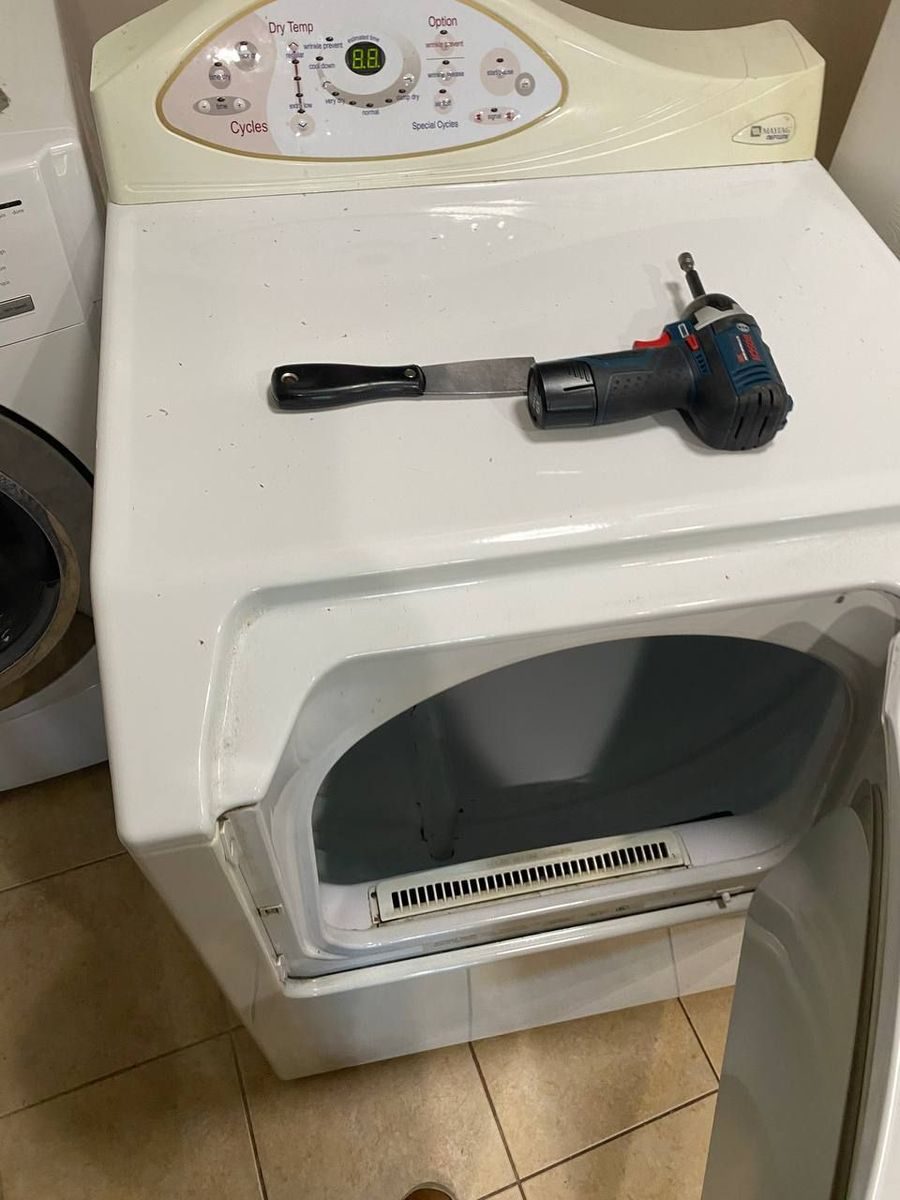
09 / 12
An electric dryer opened up in a laundry room. The thermal fuse, the heating element and the vent run behind the machine get tested together.
Read the service page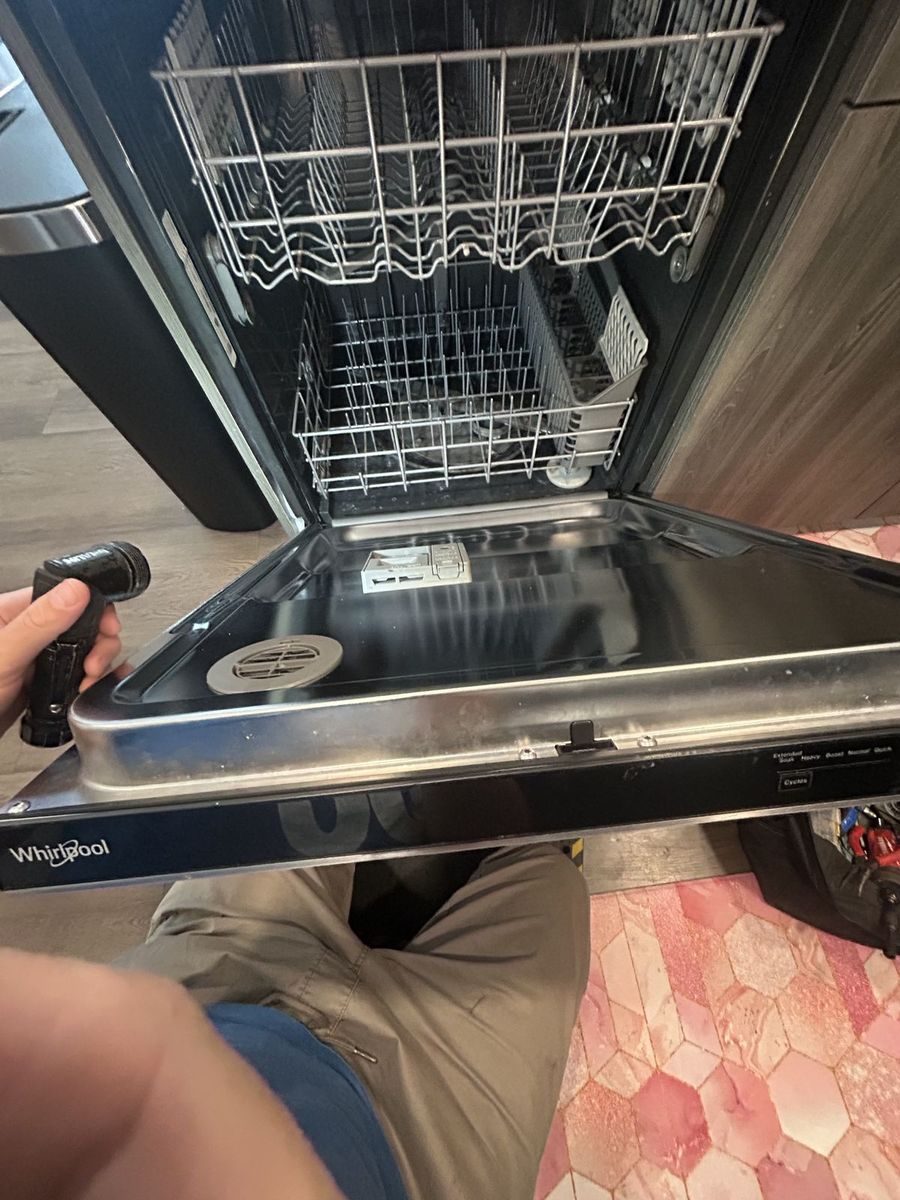
10 / 12
Door open and racks out on a dishwasher. A puddle left behind after the last rinse sends us to the filter screen, the pump and the hose route under the sink, in that order.
Read the service page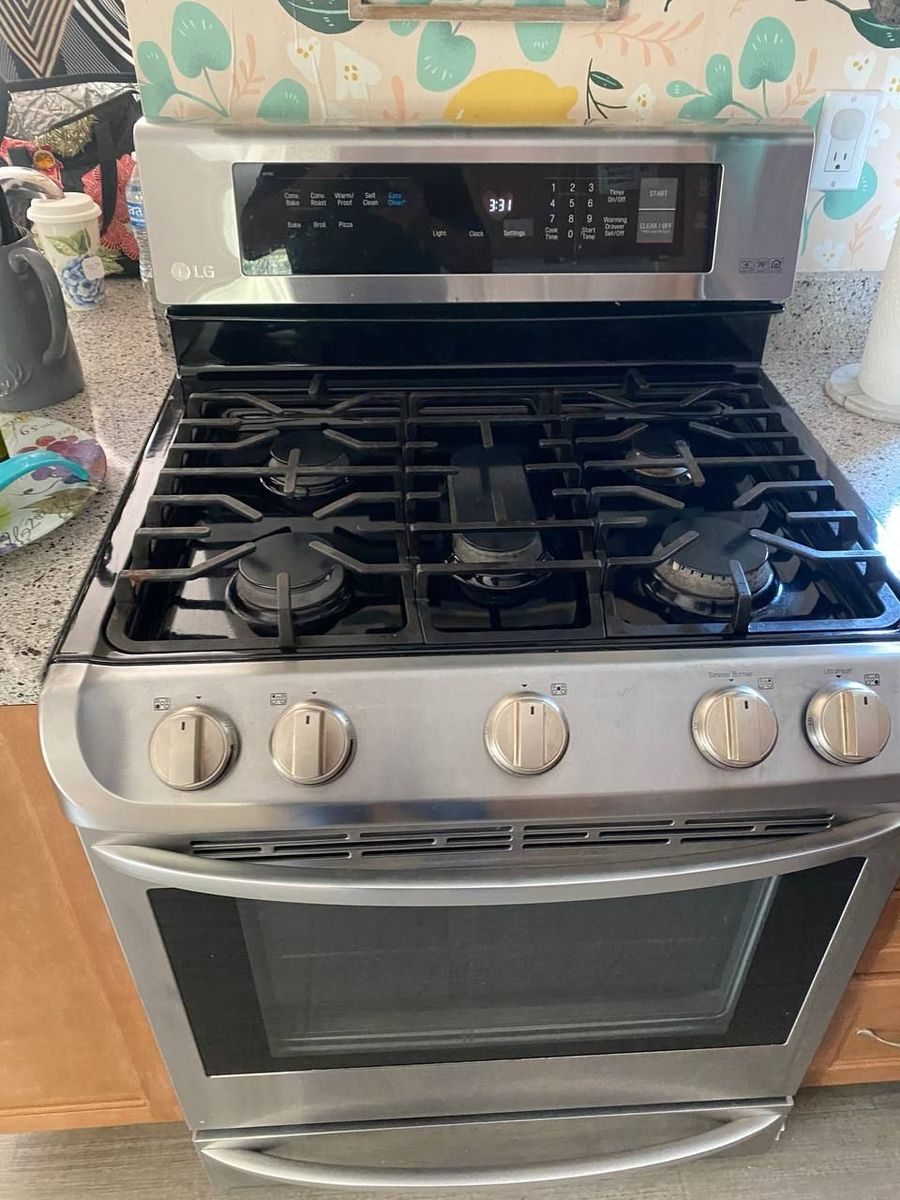
11 / 12
A five-burner gas range ready for testing. Burner igniters, the spark module and the bake igniter's amp draw are measured before a part is ordered.
Read the service page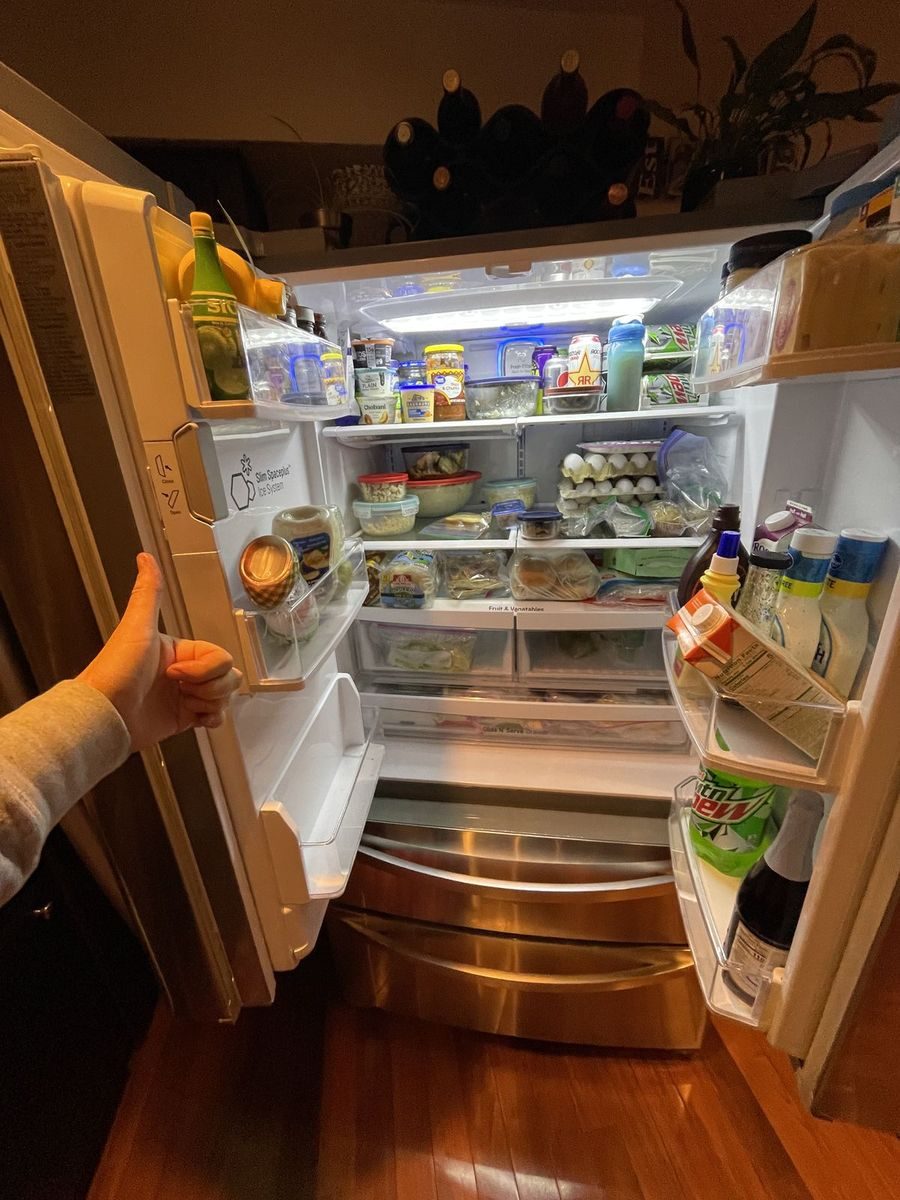
12 / 12
A French-door refrigerator open for diagnosis. Slow ice starts with the water: the inlet valve, the filter and a fill tube that can freeze shut.
Read the service pageYes. Our technicians repair downflow gas and electric furnaces, plus heat pump air handlers, in manufactured-home closets, including the cramped ones common in Benton City. We check the filter, the return path through the closet door, the crossover duct, the limit switches, the igniter or heat strips, and the fan motor. If replacement makes more sense, the written quote shows equipment and installation as one figure.
No, it sits inside the repair price. There is a charge for the diagnostic visit, and the office states its amount at booking time. When you approve the work, that diagnostic charge is absorbed into what the repair costs. Turn the repair down and the charge alone settles the visit, with the technician's findings yours to keep for whatever you decide next.
A clogged inlet screen is the most likely cause. Well sediment lodges in the tiny mesh filters seated inside the washer's inlet valve, right where each hose threads on. Close both supply valves, take the hoses off the back and inspect each screen; if grit packs them, a technician can clean them, or swap the valve when its coil reads weak or water seeps past it.
It could well be. Manufactured homes route dryer vents through the floor or along short, tight paths, and lint or a crushed section chokes the airflow. Heat then builds in the cabinet, the high-limit thermostat keeps interrupting the heat source, and in time the thermal fuse opens. Our technician checks airflow at the dryer, tests the element, fuse and thermostats, and tells you whether the vent needs attention.
Yes, ask for a reply in Spanish when you call or book online. Phones are answered every day from 8 AM to 7 PM. Once you reserve a date and an arrival slot, someone from the office rings to confirm, and the technician phones again when heading to your Benton City address so you know they are close.
Talk to us
Reserve a date and arrival slot online, or ring us between 8 AM and 7 PM on any day of the week. The office confirms by phone, and your technician calls while en route.
Book a visit
One slip, filled top to bottom. The office phones to confirm the visit, and the technician calls again when on the way.
Every number below is a public state record. Look each one up on L&I Verify, or read what each license allows on our licenses page.
What our licenses cover