01 / 12
Heat pump repair
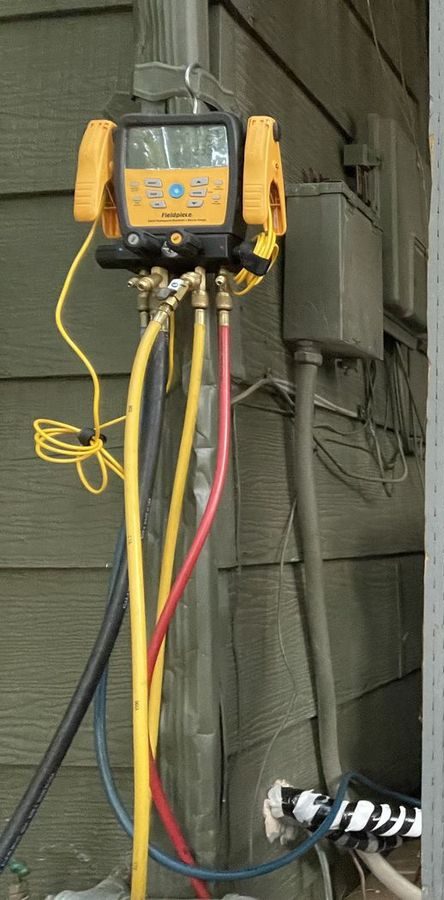
Digital gauges hang by the outdoor unit while the heat pump runs. Superheat and subcooling show whether the charge, a valve or the defrost board is the problem.
Read the service page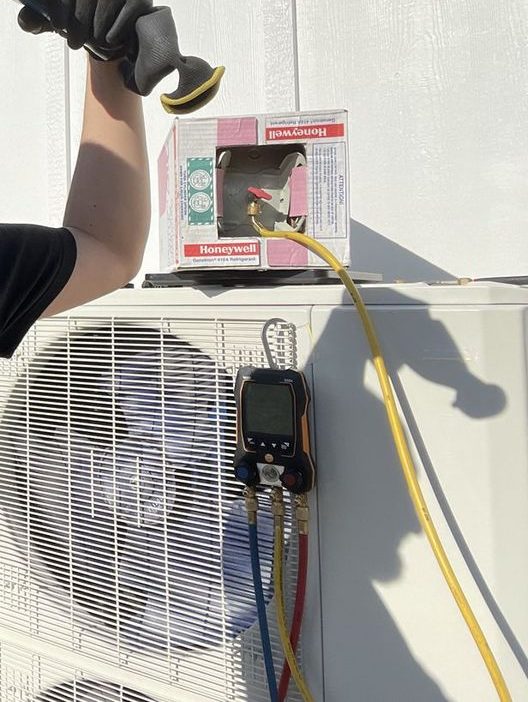
Kennewick heat pump service
A Kennewick heat pump heats through weeks of inversion fog and cools through 100°F afternoons, so it rarely gets a season off. Our technicians track down defrost faults, reversing valve trouble and refrigerant leaks, and they hand you the price in writing before starting.
Short answer
If your Kennewick heat pump stays iced for hours, blows cool air in heat mode, or leans on the AUX light all day, look first at the defrost control, a coil sensor, a sticking reversing valve or a low charge. Short, frequent defrost cycles in freezing fog are normal. We test, explain and quote in writing, then repair once you agree.
Often it is just defrosting. During winter inversions, cold damp air settles into the Columbia Basin for days, highs stall in the 30s, and freezing fog coats fences, cars and the outdoor coil alike. The heat pump answers by switching into defrost: the outdoor fan stops, the reversing valve shifts with a whoosh, steam rolls off the coil, and the supply air cools for a few minutes. Seeing that several times a day in fog is expected behavior.
It becomes a fault when the coil stays solid white, the unit never shifts back to heating, or the backup heat strips end up carrying the house. Those patterns point to a failed defrost board, a coil sensor reading wrong, a reversing valve solenoid that sticks, or a charge that has leaked down. Our technicians work under the 06A HVAC/Refrigeration specialty with the EPA 608 Universal credential, so sealed-system testing and charging stay within one visit.
Winter loads the defrost system and summer loads the electrical parts. December and January lows average about 28°F, and a cold snap can drag the night toward 10°F, when even a healthy heat pump needs its backup heat strips to keep pace. Inversion fog adds moisture, so frost builds fast and the defrost board earns its keep. Then the same outdoor unit runs long cooling cycles from May into September, wearing out its capacitor and contactor.
Placement matters on a windy site. Most Tri-Cities wind blows from the west, and the region is the windiest of the larger Pacific Northwest metros, so a unit tucked against a west wall in Kennewick catches fog rime in winter and grit in spring. Keep about two feet clear around it, and make sure defrost melt drains away from the pad instead of refreezing under the coil. A technician heading over from Pasco uses the Blue Bridge or Cable Bridge and calls you before pulling up.
Larger, newer homes in Canyon Lakes often match the heat pump to an indoor air handler fitted with heat strips, sometimes split into zones. When one zone keeps calling for auxiliary heat, we check that zone's thermostat staging, damper and airflow before putting gauges on the outdoor unit.
Hillside lots here sit more exposed to the west wind, so outdoor units gather grit in spring and rime during freezing fog. On these calls we look at fan blade condition, where the coil sensor is clipped, and whether melt water can run off the pad.
Many homes from the 2000s and 2010s here still have their first builder-grade heat pump. At this age, defrost boards, coil sensors, reversing valve solenoids and capacitors are the usual suspects; capacitors ride on our trucks, and anything we have to order is quoted before it is ordered.
One photo per tab from our service calls. Tap a tab, or let the file turn on its own.
01 / 12
Digital gauges hang by the outdoor unit while the heat pump runs. Superheat and subcooling show whether the charge, a valve or the defrost board is the problem.
Read the service page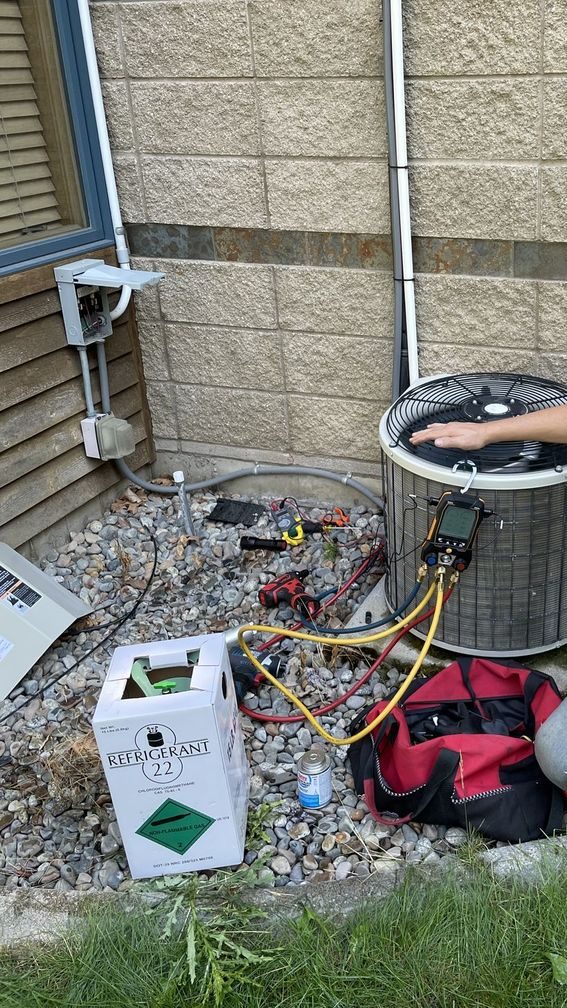
02 / 12
An older condenser under test with hoses on the service ports. The capacitor, contactor and fan motor get checked before anyone talks about refrigerant.
Read the service page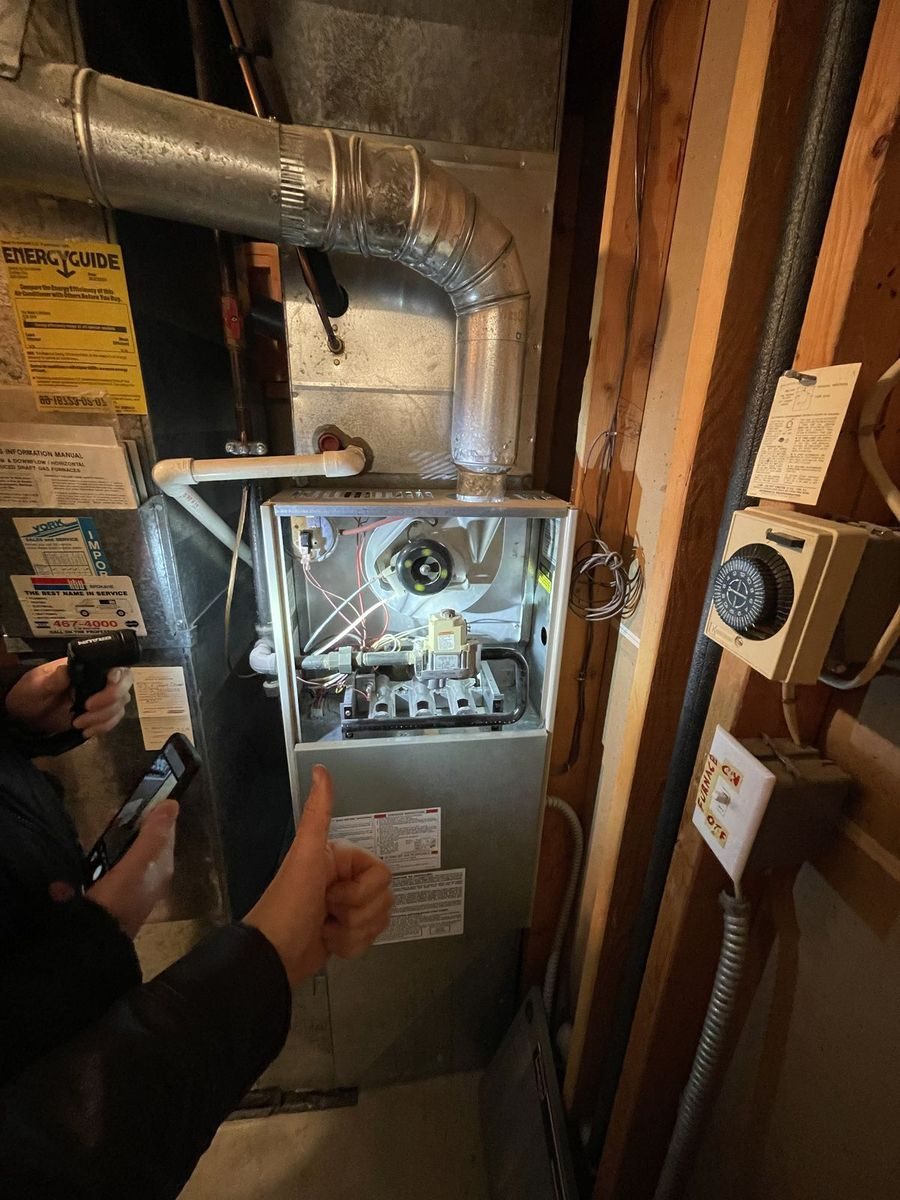
03 / 12
The burner compartment of a gas furnace, open. We follow the start-up order, inducer, pressure switch, igniter, flame sensor, until the step that fails.
Read the service page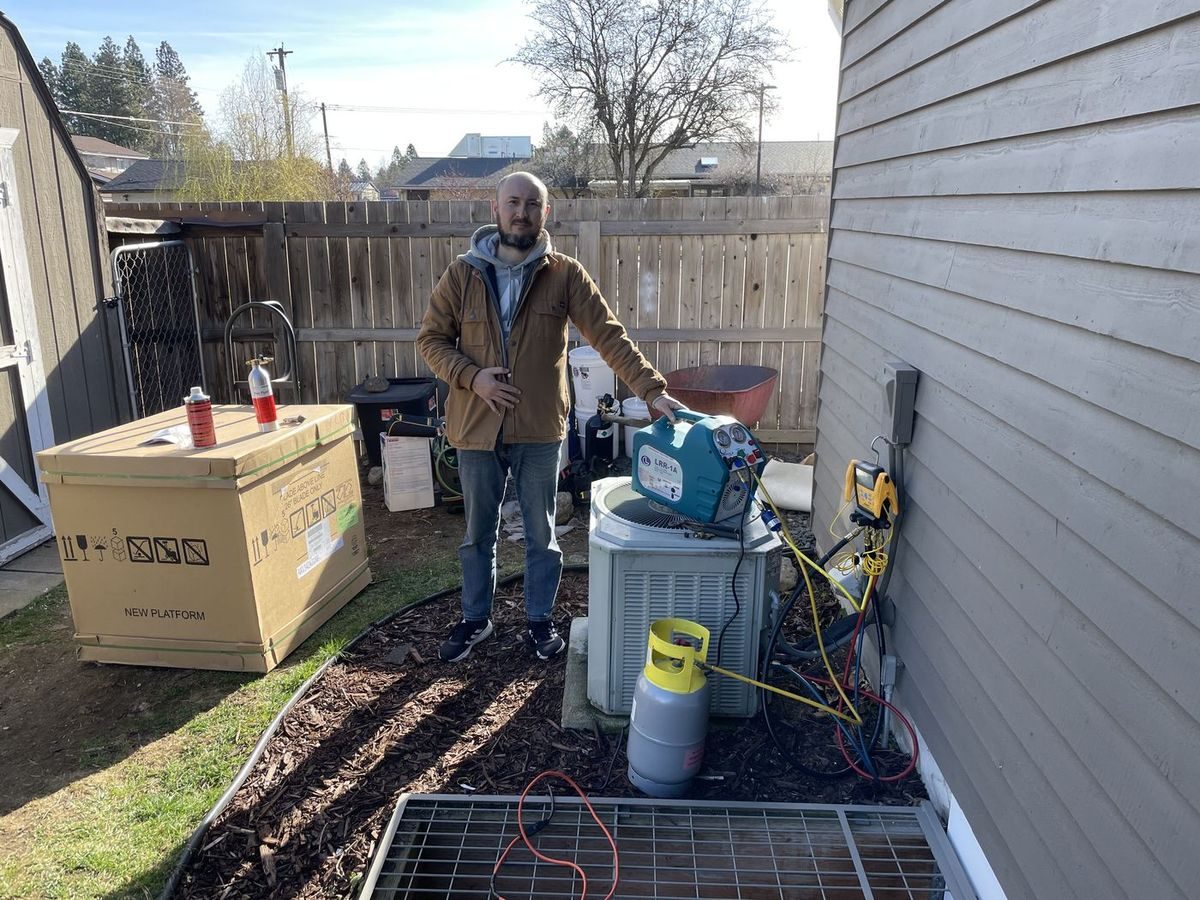
04 / 12
A recovery machine and cylinder beside an outdoor unit. On a replacement, the old refrigerant is pulled into the cylinder instead of the air.
Read the service page05 / 12
A ductless outdoor unit with a gauge set on it. Mini-splits get the same pressure and temperature readings as a central system, plus a look at the line-set insulation.
Read the service page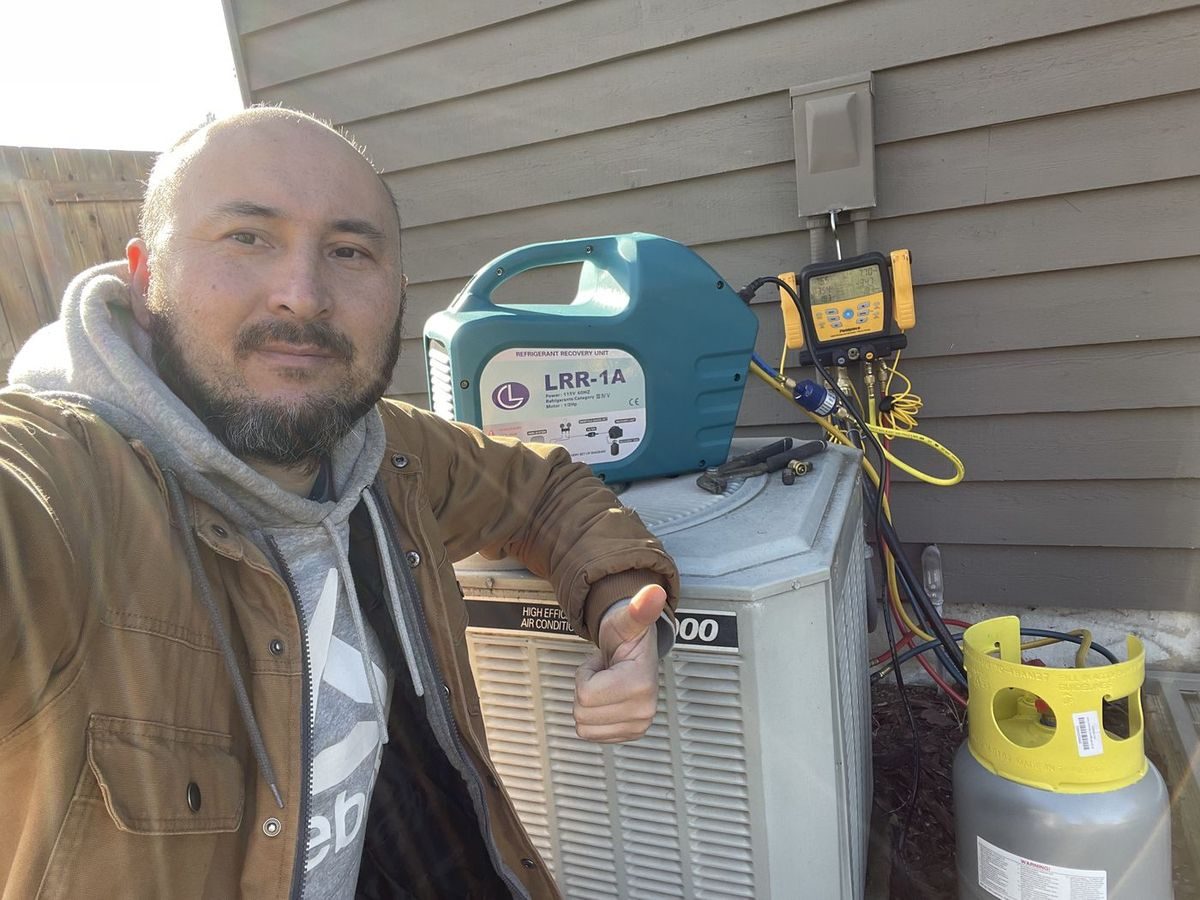
06 / 12
Gauges on a condenser during a seasonal visit. Spring visits wash the dust out of the coil; fall visits test defrost and heat strips before the fog weeks.
Read the service page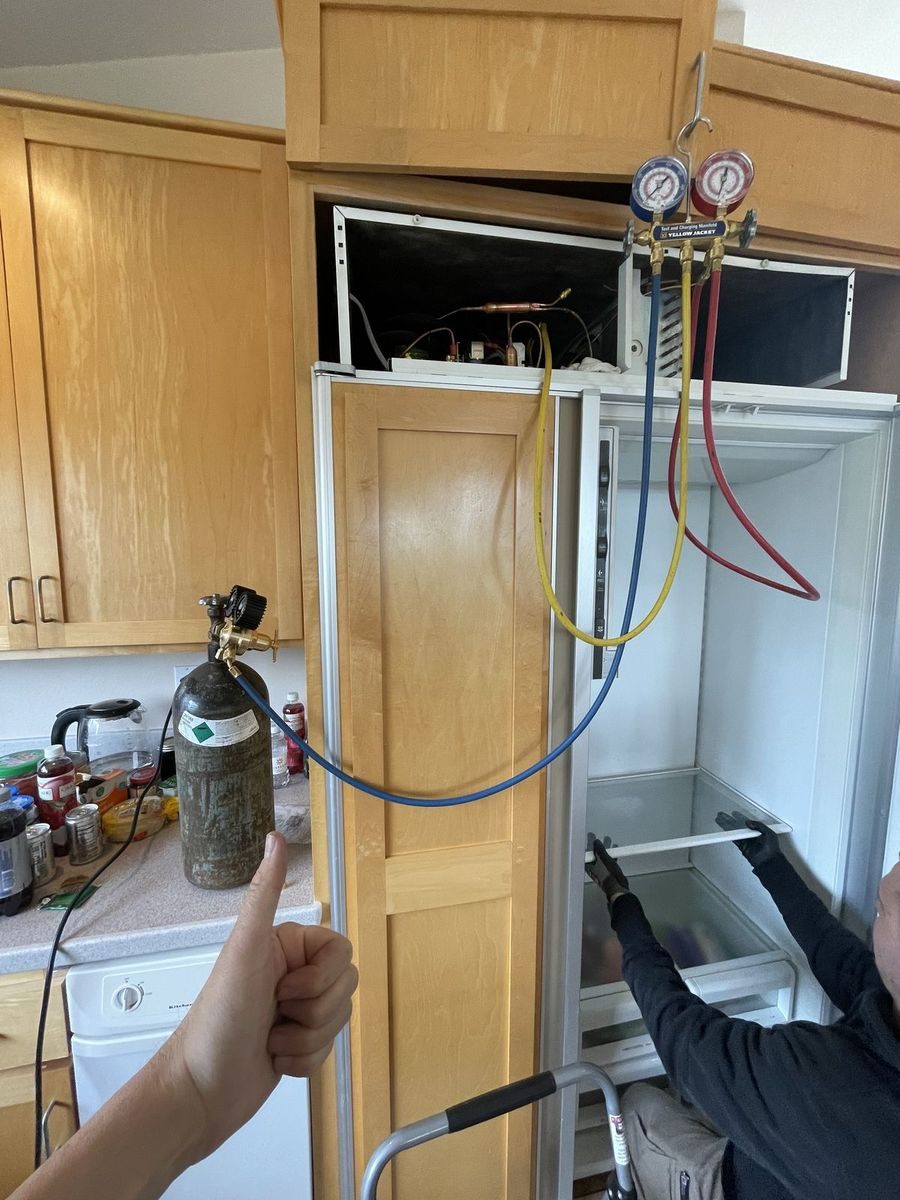
07 / 12
Gauges connected to a built-in refrigerator's sealed system. Leak searches, brazing and recharges happen in the kitchen, so the fridge stays where it is.
Read the service page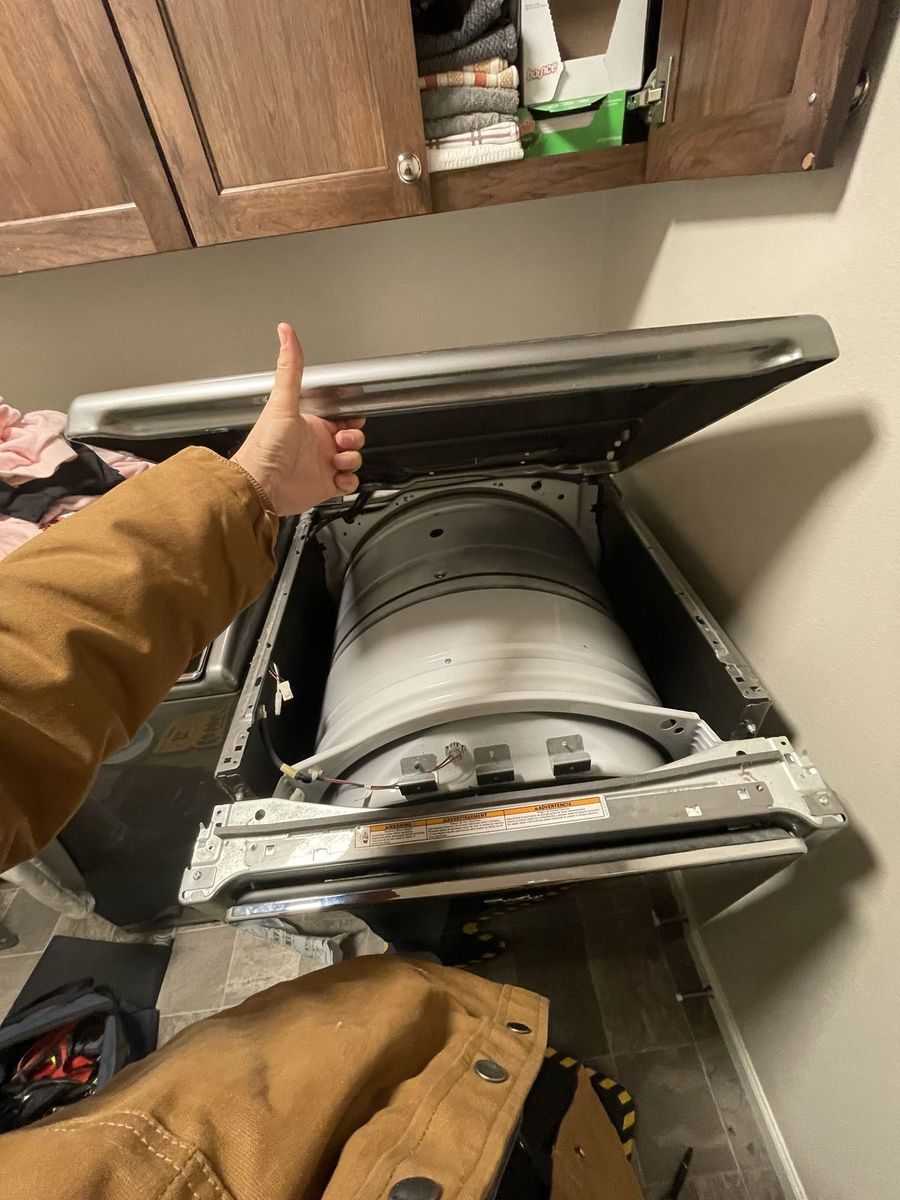
08 / 12
A top-load washer with the top panel raised. Lid switch, drive coupler and drain pump are all within reach once the top comes up.
Read the service page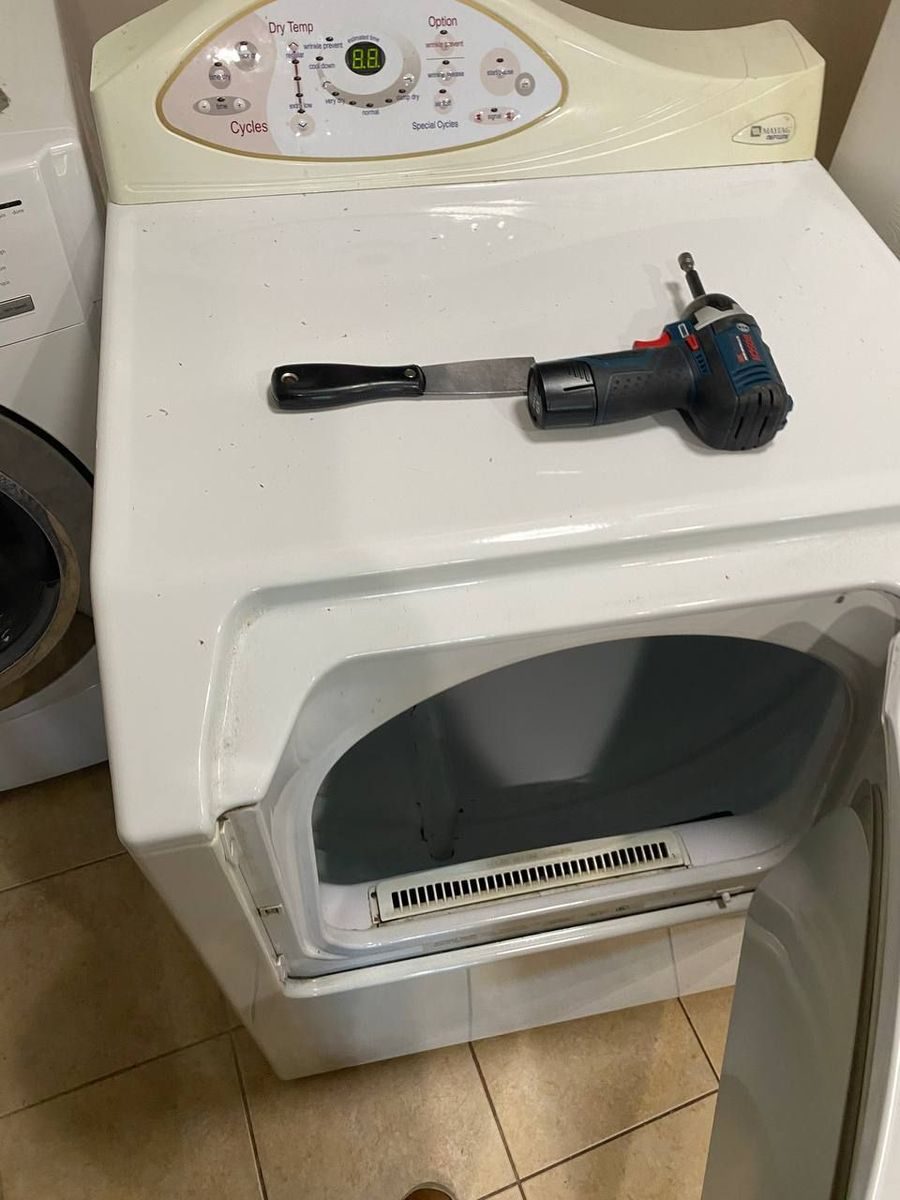
09 / 12
An electric dryer opened up in a laundry room. The thermal fuse, the heating element and the vent run behind the machine get tested together.
Read the service page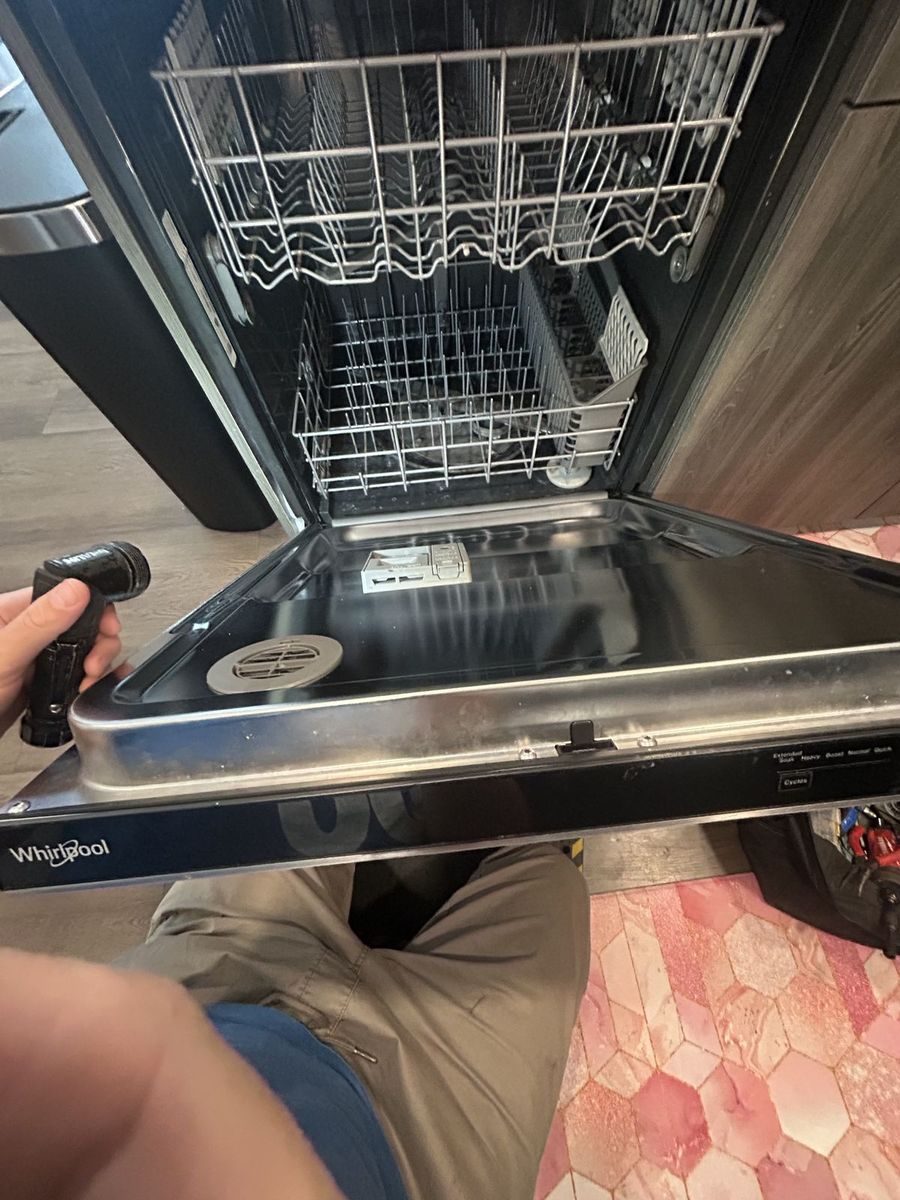
10 / 12
Door open and racks out on a dishwasher. A puddle left behind after the last rinse sends us to the filter screen, the pump and the hose route under the sink, in that order.
Read the service page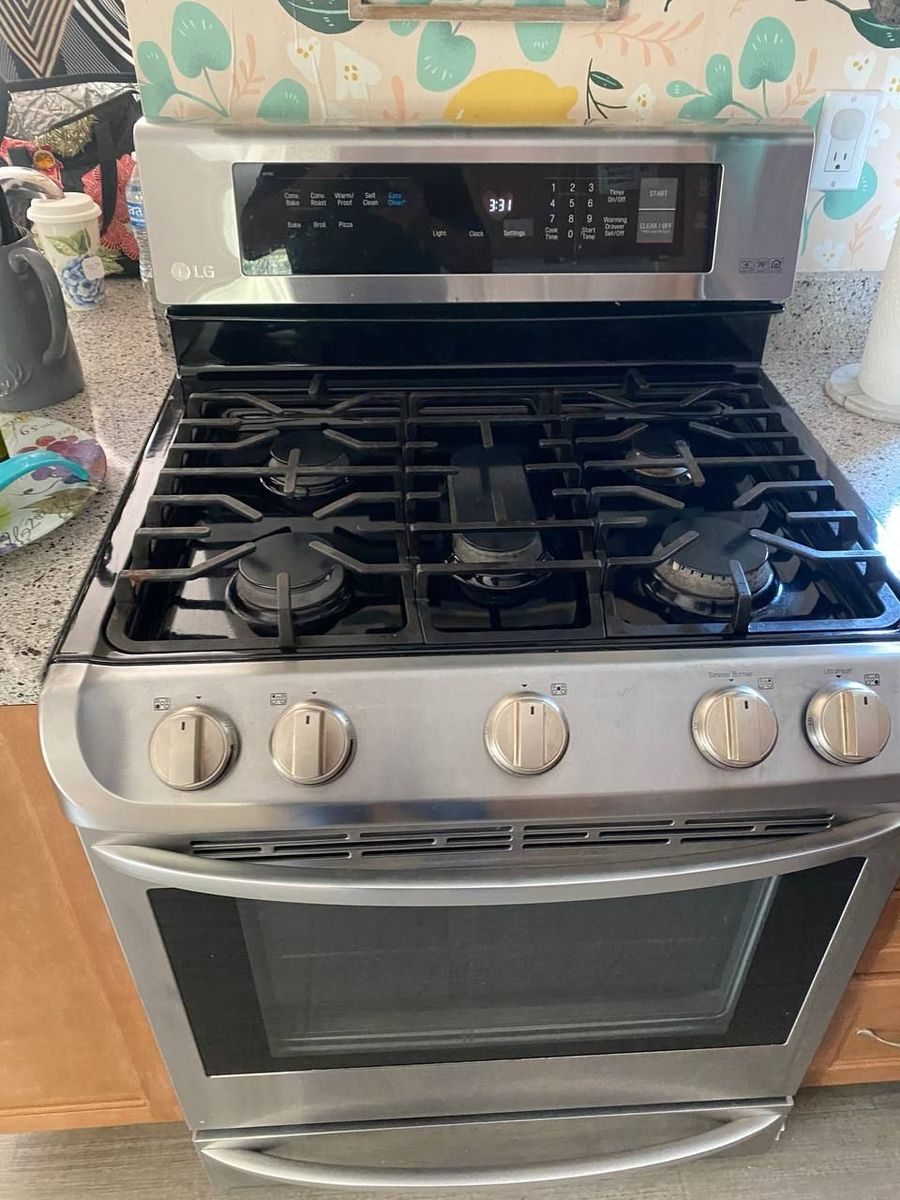
11 / 12
A five-burner gas range ready for testing. Burner igniters, the spark module and the bake igniter's amp draw are measured before a part is ordered.
Read the service page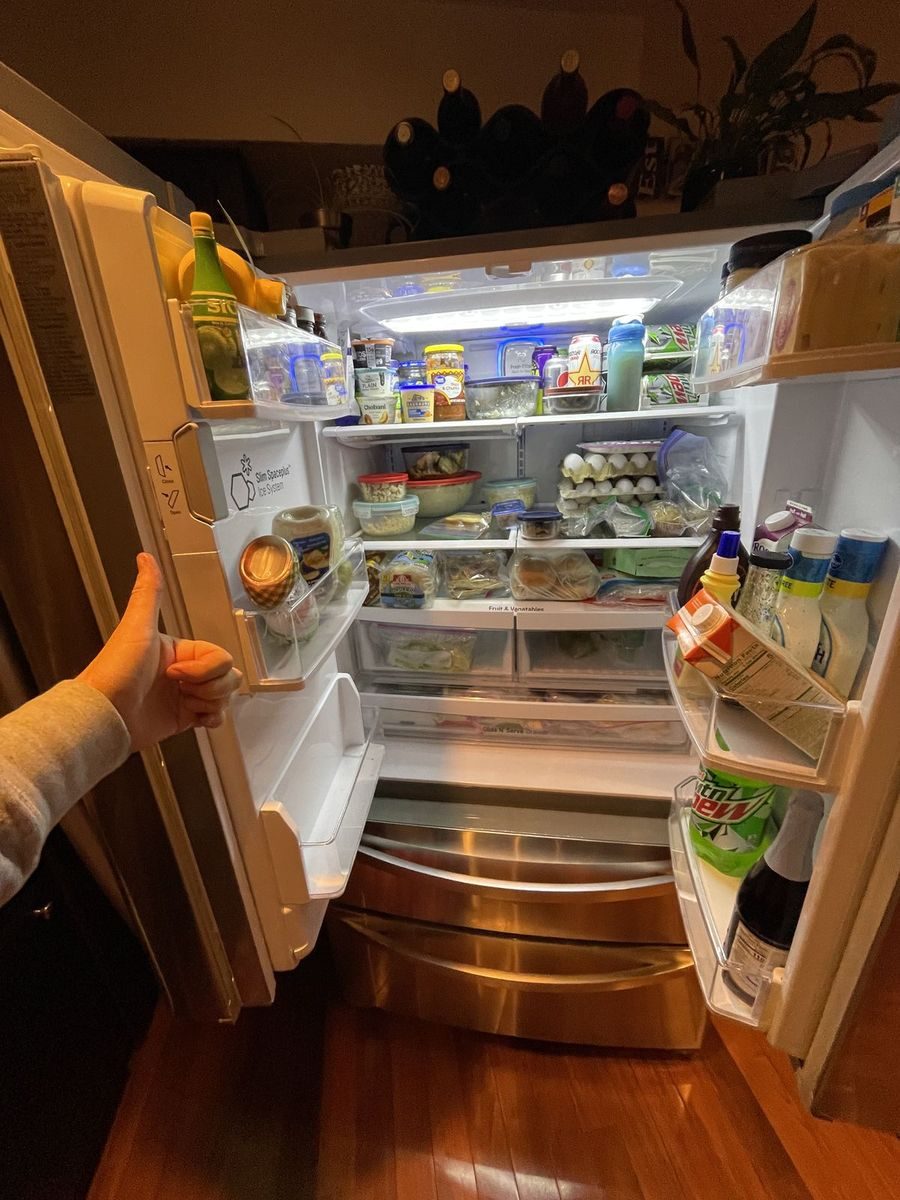
12 / 12
A French-door refrigerator open for diagnosis. Slow ice starts with the water: the inlet valve, the filter and a fill tube that can freeze shut.
Read the service pageThat is a defrost cycle, and in Kennewick freezing fog it can come often. The outdoor fan pauses, the reversing valve shifts, and hot refrigerant gas is routed through the coil to melt the frost, which shows up as steam. It only needs attention when the coil stays iced, cycles come every few minutes, or the house can't hold temperature. At that point a defrost test is worth booking.
Yes, auxiliary heat exists for nights near 10°F and for the minutes of each defrost. The worry is an AUX light glowing through mild afternoons, because heat strips draw far more power per hour of heat than the compressor does. That pattern usually points to low charge, a staging setting or a weak compressor, and a technician can sort out which one with a few readings.
It gets absorbed. Each heat pump call carries a diagnostic fee that the office states while you are booking. Once you approve the repair price we write up, the fee is counted within that number. Choose not to proceed, and the diagnostic fee alone is what you owe. Our warranty terms appear in writing on the final invoice.
Yes. Under our 06A HVAC/Refrigeration specialty and general contractor license, we replace heat pumps and air handlers and connect ductwork at the equipment. The written quote gives equipment plus installation as a single combined figure, and we explain why replacement beats repair before you decide. We work on Carrier, Trane, Lennox, Daikin, Mitsubishi, Rheem and Ruud, among other brands.
Talk to us
Reserve a day and an arrival window through the website, or ring the office from 8 AM to 7 PM. Someone from the office phones to lock in the visit, and the technician rings again while en route.
Book a visit
One slip, filled top to bottom. The office phones to confirm the visit, and the technician calls again when on the way.
Every number below is a public state record. Look each one up on L&I Verify, or read what each license allows on our licenses page.
What our licenses cover