01 / 12
Furnace repair
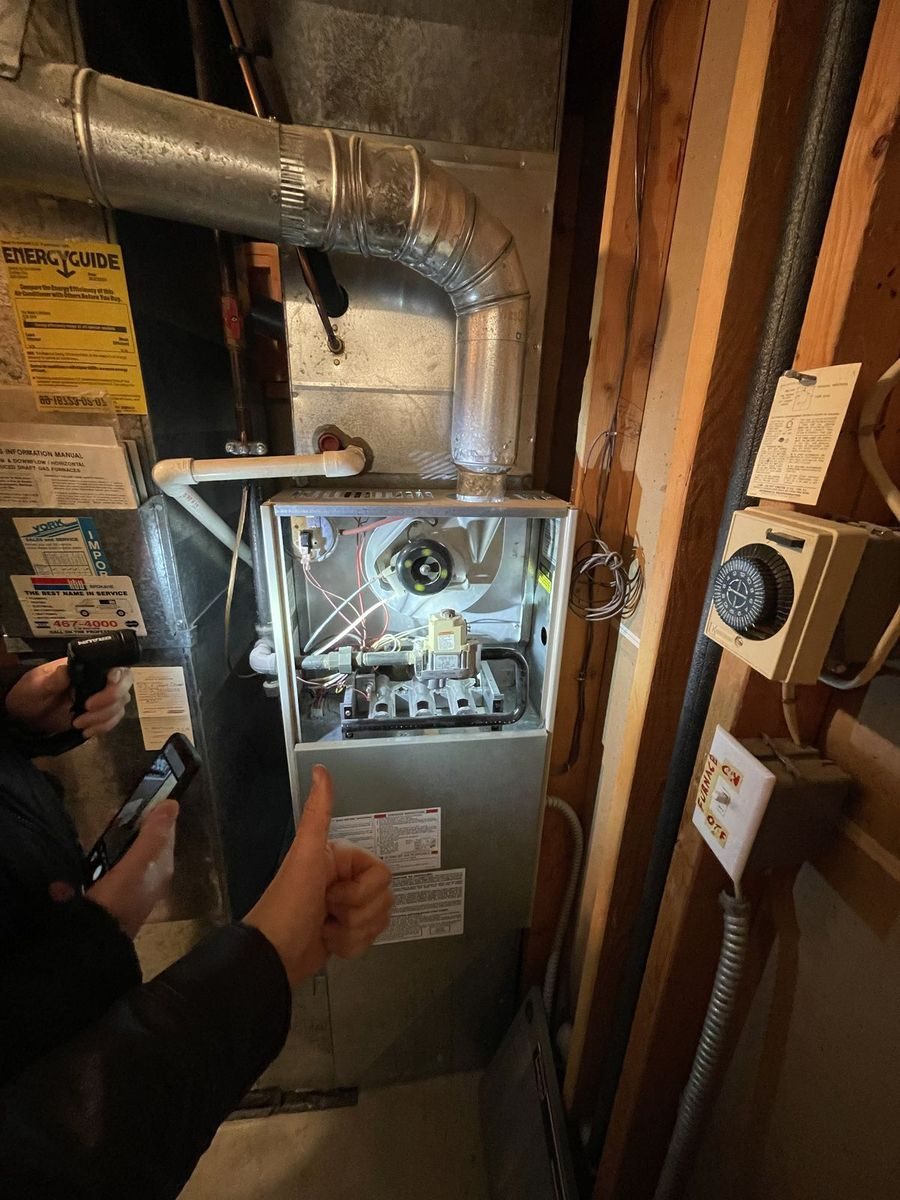
The burner compartment of a gas furnace, open. We follow the start-up order, inducer, pressure switch, igniter, flame sensor, until the step that fails.
Read the service pageRichland · Gas & electric furnaces
If a Richland furnace lights and quits, pushes cold air, or sits silent when the thermostat calls, our technicians meter the igniter, flame rod, inducer, pressure switch and limits, show you the failed part, and price the fix in writing, waiting on your sign-off before it begins.
Short answer
A Richland furnace that will not heat usually has a hot surface igniter that has cracked, a flame rod reading low microamps, an inducer or pressure switch fault, or a high limit tripping behind a clogged filter. Electric furnaces add burned elements and stuck sequencers. Our technicians test each part, hand you a written price, and start after you approve. Book online or call the office 8 AM–7 PM.
The technician reads the control board's flash code first, then walks the startup sequence in order: thermostat call, inducer start, pressure switch closing, igniter glow, gas valve opening, flame proving, and the indoor fan coming up to speed. Each step has a measurement, whether igniter resistance in ohms, flame-sensor current in microamps, or the inches of water column the pressure switch sees, and the step that stalls points to the part. Manifold gas pressure and temperature rise get checked before the visit wraps up.
Each diagnostic visit has a fee; you hear the figure from the office at booking. Give the go-ahead and the fee is tucked inside what the repair totals; send the technician off without a repair and you owe the fee alone. Repairs are priced in writing beforehand, they wait on your consent, and the invoice lays out the warranty terms. Igniters, flame sensors, capacitors and many inducer and fan parts already sit on the truck.
Inversion stretches are the hard part. Cold air pools in the Columbia Basin under a warmer layer, and Richland can sit beneath low cloud and freezing fog for days or weeks, highs stuck in the 30s. A furnace in that weather cycles from morning to night, so an igniter near the end of its life or a flame sensor already reading weak tends to give out partway through a gray week. Cold snaps that push lows toward 10°F stack longer burns and more starts on top.
Many Richland households start early for shift work, so a furnace that fails overnight gets noticed at 5 AM in a cold kitchen. Grab the earliest open window when booking; a call from the office locks it in. Smell gas? Walk everyone outdoors before doing anything else, and from the sidewalk phone 911 or the gas utility. Our technicians step in once the gas side has been cleared.
The 1943–45 alphabet houses near George Washington Way were remodeled by many owners over the decades. That means the furnace may sit in a hall closet, a crawlspace or a converted utility room, with ducts added in stages. We trace venting and duct connections at the furnace before blaming the burners or the control board.
Established streets in Applewood and Country Ridge have a mix of gas furnaces and electric furnaces paired with central air. Electric units tend to fail at elements, sequencers and fan relays, gas units at igniters and flame sensors. A fresh filter at the start of each heating season heads off many high-limit trips.
Newer homes in Badger Mountain Village often run high-efficiency condensing furnaces vented with white plastic pipe through a wall or the roof. In freezing fog, rime can build on those pipe ends and choke the intake or exhaust, which trips the pressure switch. Check that the terminations are clear before you call.
One photo per tab from our service calls. Tap a tab, or let the file turn on its own.
01 / 12
The burner compartment of a gas furnace, open. We follow the start-up order, inducer, pressure switch, igniter, flame sensor, until the step that fails.
Read the service page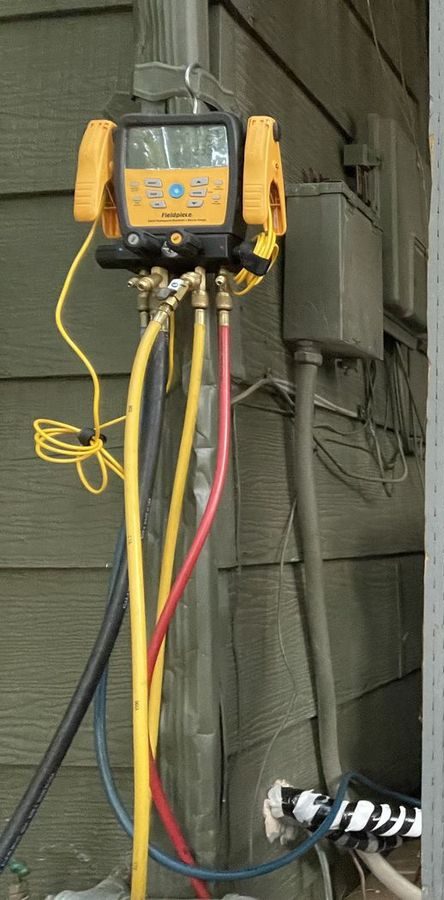
02 / 12
Digital gauges hang by the outdoor unit while the heat pump runs. Superheat and subcooling show whether the charge, a valve or the defrost board is the problem.
Read the service page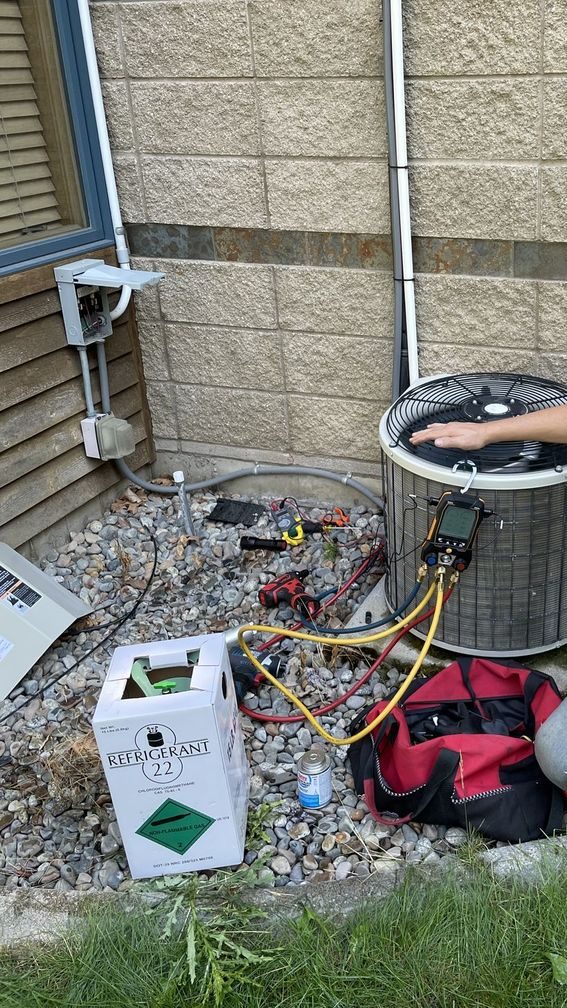
03 / 12
An older condenser under test with hoses on the service ports. The capacitor, contactor and fan motor get checked before anyone talks about refrigerant.
Read the service page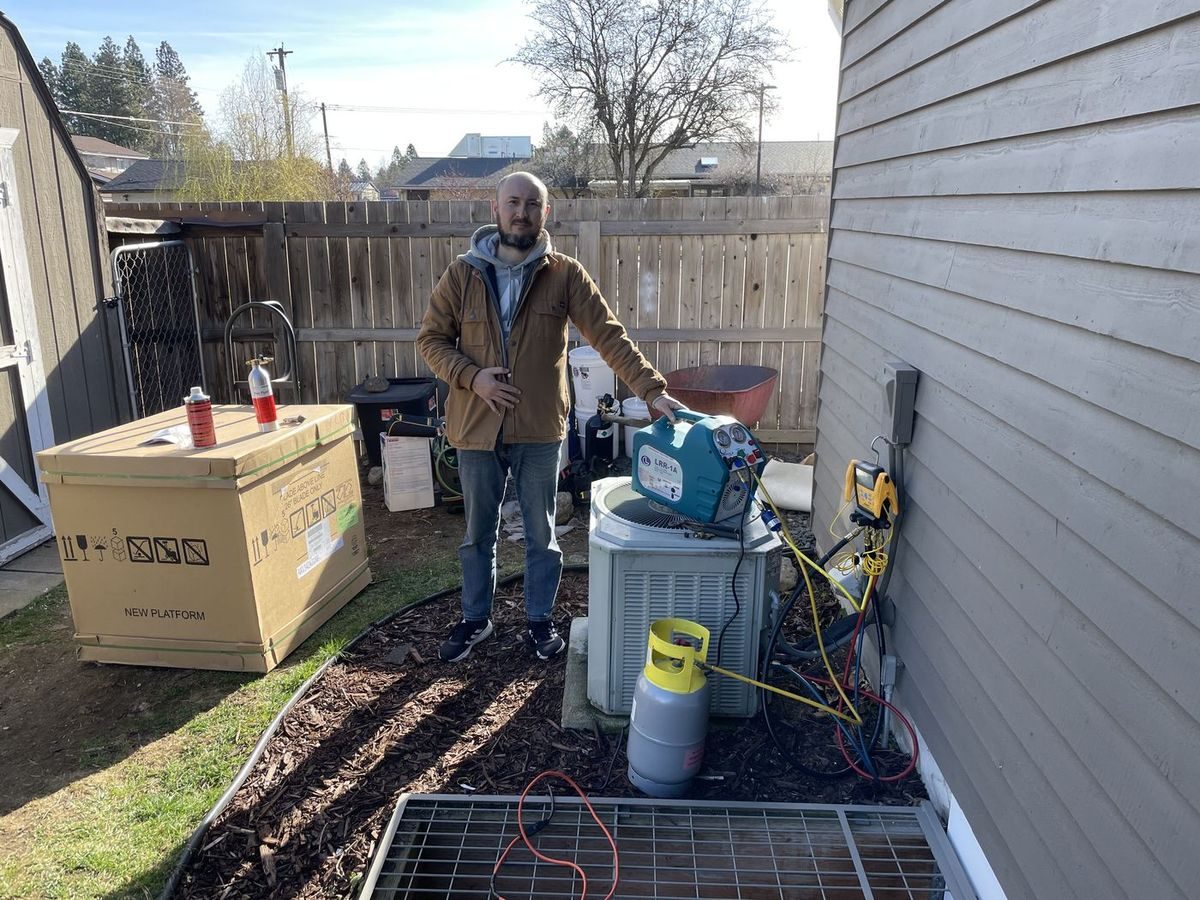
04 / 12
A recovery machine and cylinder beside an outdoor unit. On a replacement, the old refrigerant is pulled into the cylinder instead of the air.
Read the service page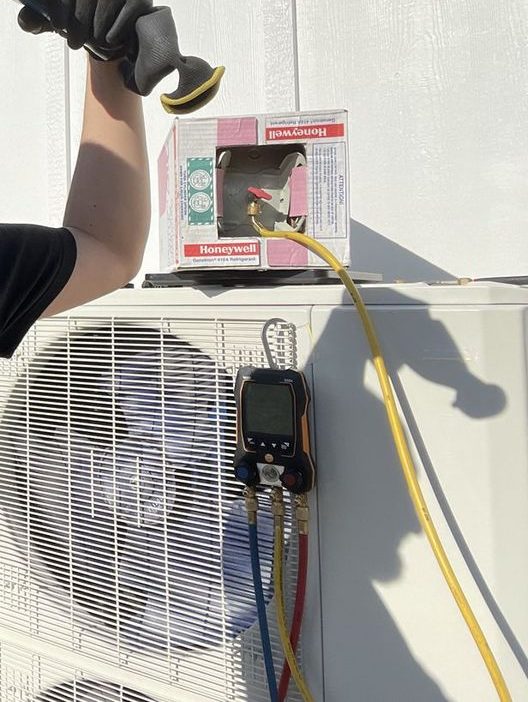
05 / 12
A ductless outdoor unit with a gauge set on it. Mini-splits get the same pressure and temperature readings as a central system, plus a look at the line-set insulation.
Read the service page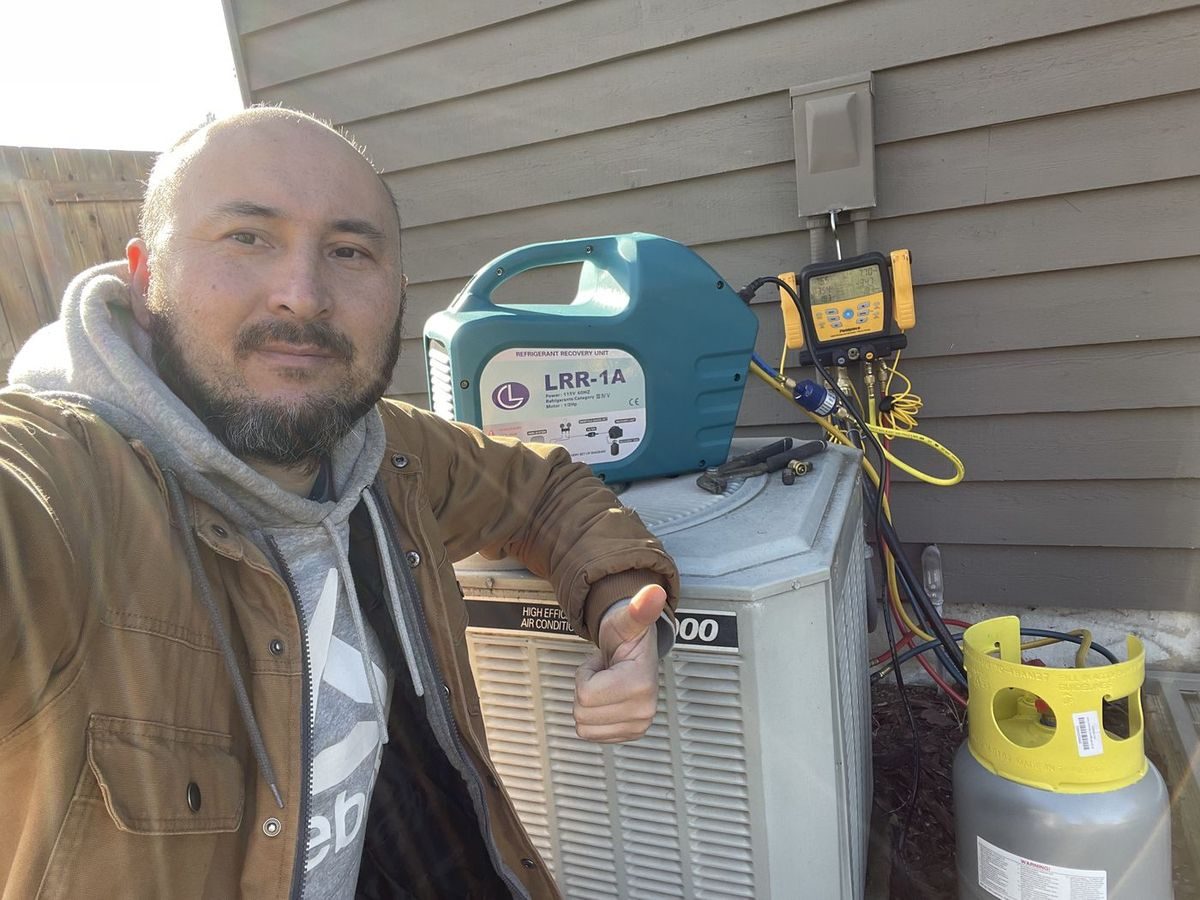
06 / 12
Gauges on a condenser during a seasonal visit. Spring visits wash the dust out of the coil; fall visits test defrost and heat strips before the fog weeks.
Read the service page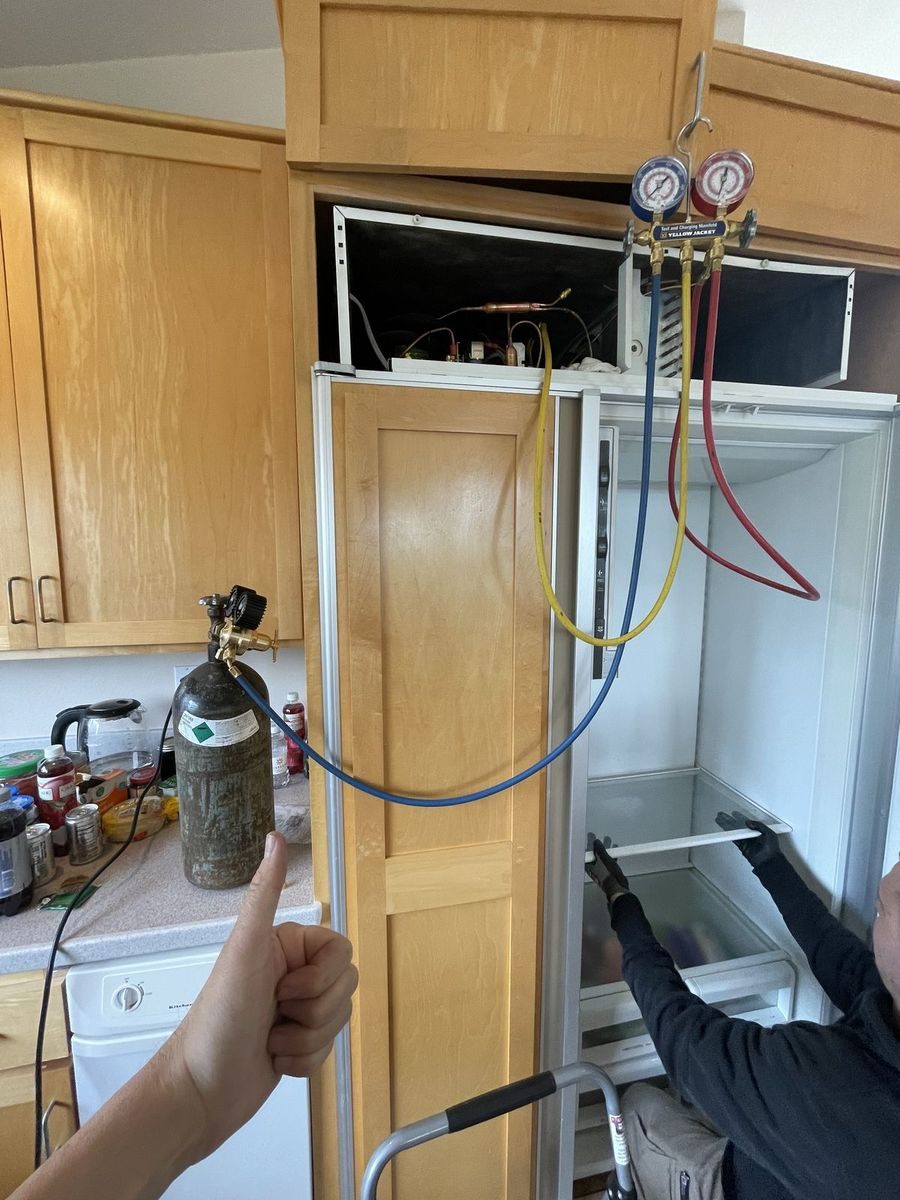
07 / 12
Gauges connected to a built-in refrigerator's sealed system. Leak searches, brazing and recharges happen in the kitchen, so the fridge stays where it is.
Read the service page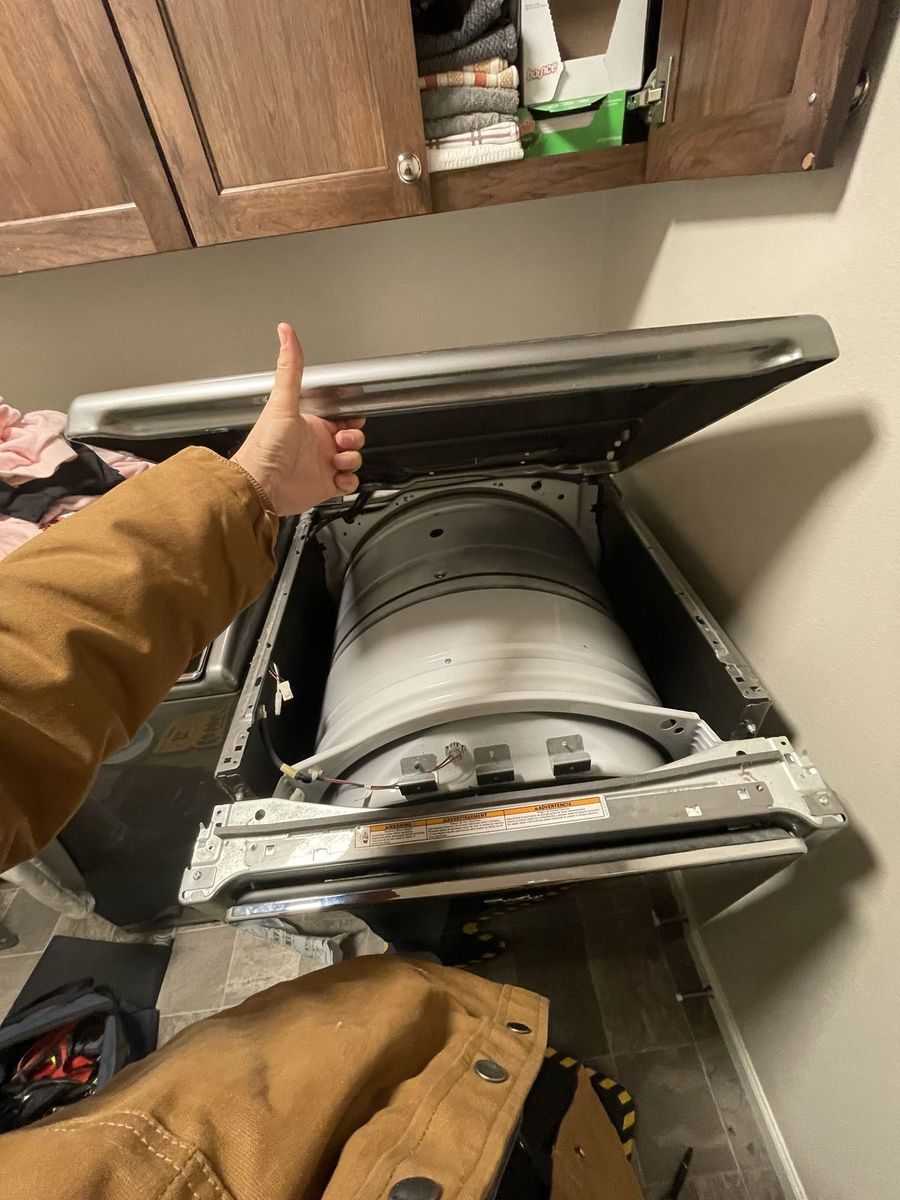
08 / 12
A top-load washer with the top panel raised. Lid switch, drive coupler and drain pump are all within reach once the top comes up.
Read the service page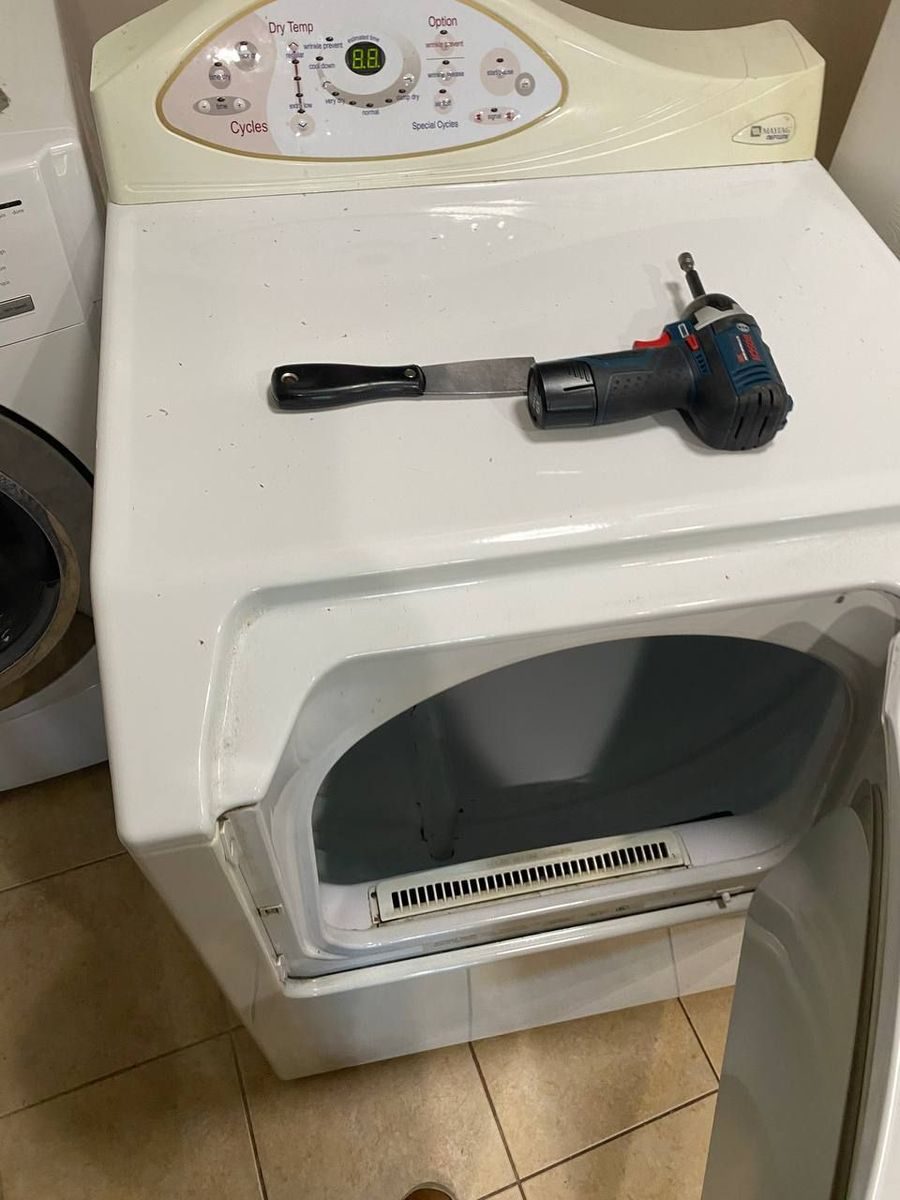
09 / 12
An electric dryer opened up in a laundry room. The thermal fuse, the heating element and the vent run behind the machine get tested together.
Read the service page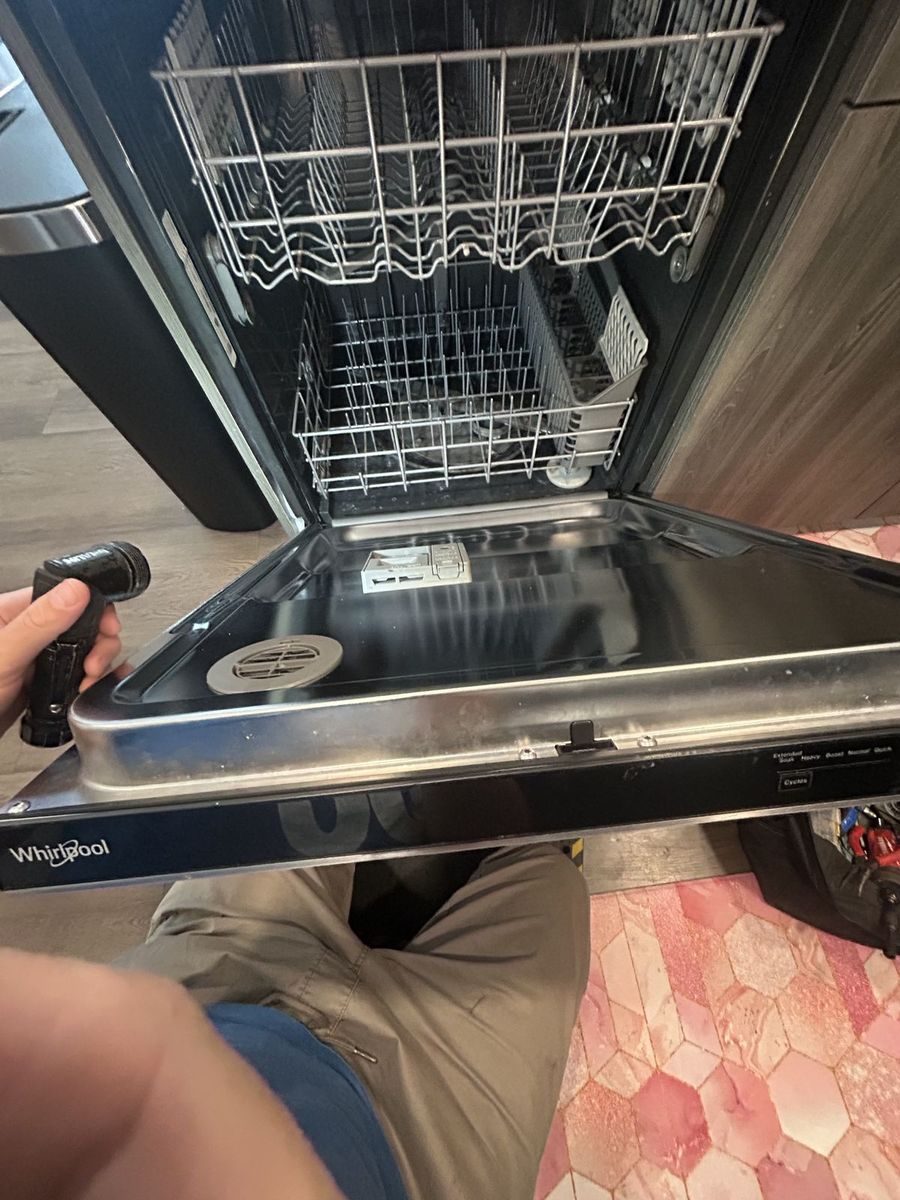
10 / 12
Door open and racks out on a dishwasher. A puddle left behind after the last rinse sends us to the filter screen, the pump and the hose route under the sink, in that order.
Read the service page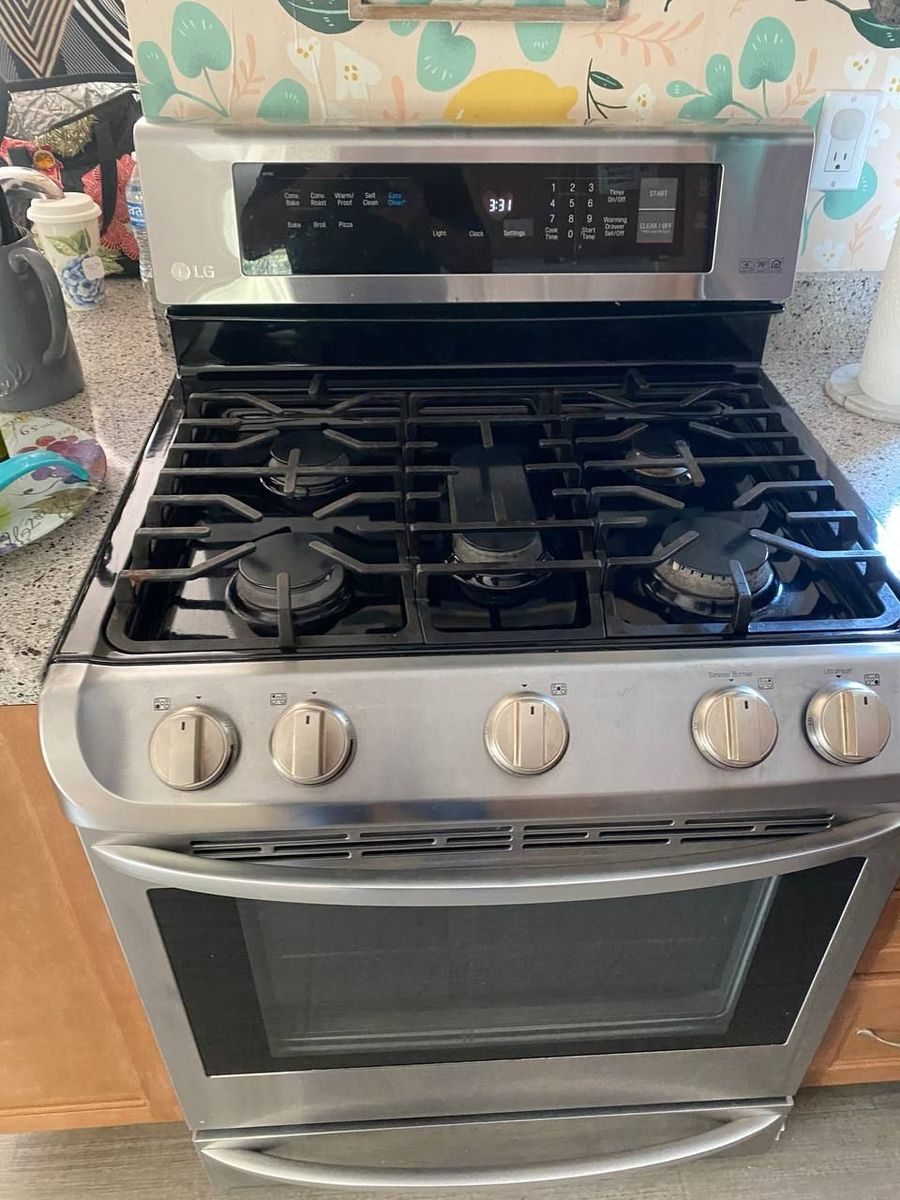
11 / 12
A five-burner gas range ready for testing. Burner igniters, the spark module and the bake igniter's amp draw are measured before a part is ordered.
Read the service page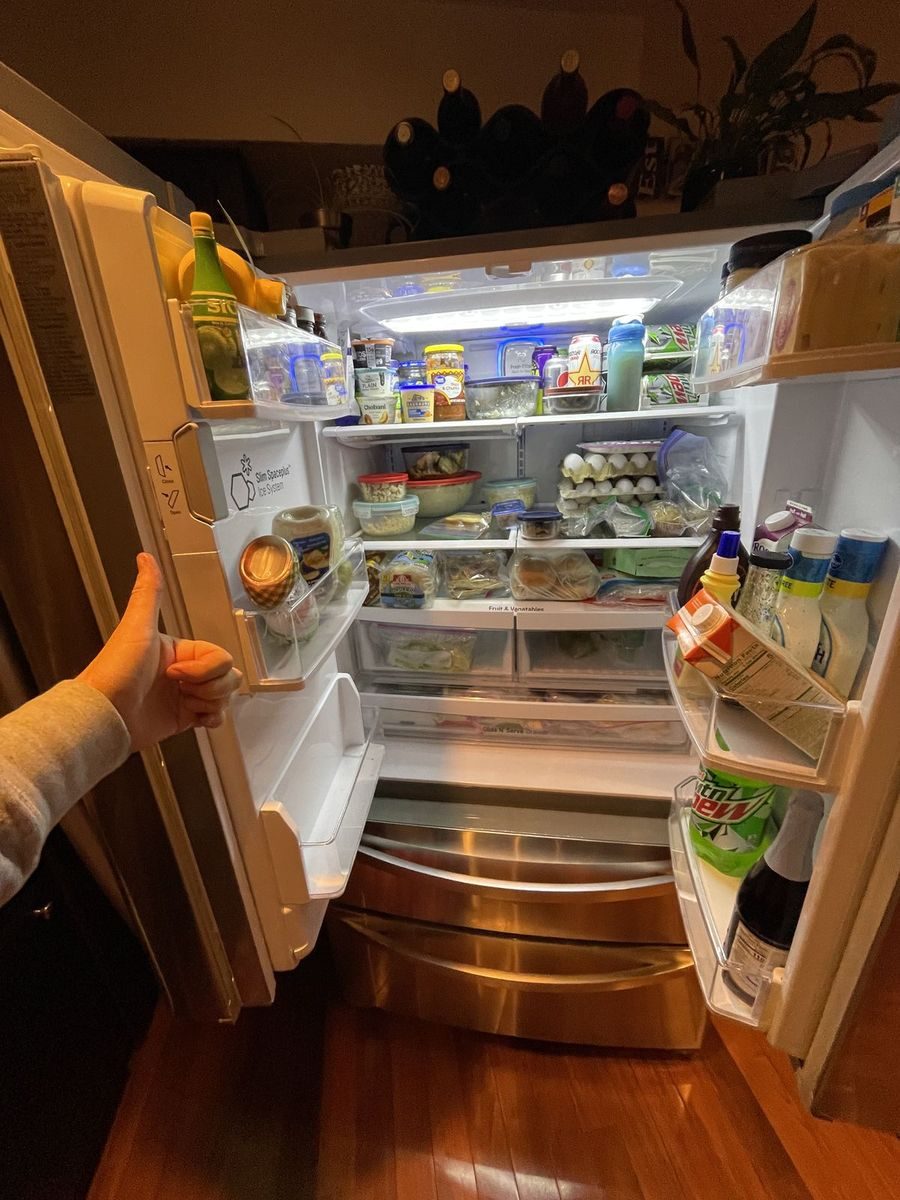
12 / 12
A French-door refrigerator open for diagnosis. Slow ice starts with the water: the inlet valve, the filter and a fill tube that can freeze shut.
Read the service pageGet out first, leaving light switches and the thermostat alone, and from outdoors phone 911 or the gas utility. Wait for them to clear the house before going back in. Once the supply side checks out, our technicians can look over the furnace, its gas valve and burners, explain what turned up, and write up a price for whatever repair it needs.
Set the thermostat to heat a few degrees above room temperature and listen at the furnace. If the inducer starts within a minute or so, the thermostat is calling and the fault is in the furnace. Silence can mean a dead thermostat battery, a tripped breaker you can reset once, the furnace door switch left open, or a blown board fuse.
Yes. Electric furnaces are common in Richland, often paired with central air. They tend to fail at heating elements, sequencers or relays, limit switches and the indoor fan motor. Our technicians check each element's resistance and current, confirm the sequencers bring the elements on in stages, and measure temperature rise before writing up the repair.
Look at it monthly through the heating season and swap it once it looks gray or visibly loaded. Wind-blown dust in spring and summer makes Tri-Cities filters fill faster than the package suggests, and a clogged filter is a frequent cause of high-limit trips. Match the size printed on the old frame, and point the arrow on its edge at the furnace.
Talk to us
Select a day and arrival window through the site, or phone the office, which answers from 8 AM until 7 PM daily. We confirm by phone, and you see the written repair price before anything is fixed.
Book a visit
One slip, filled top to bottom. The office phones to confirm the visit, and the technician calls again when on the way.
Every number below is a public state record. Look each one up on L&I Verify, or read what each license allows on our licenses page.
What our licenses cover